

Breaking down a €250 million B2B marketing funnel


 4.50/5
This week’s edition of Great Business Stories is about a match made on Sortlist. Where Wallonia found an agency ready to market a whole region (that’s SWC Partnership).
But it’s not just about how to market a region. It’s about the secret funnel that, if it can work to capture well over €250 million in investment in Wallonia, it can capture any B2B client.
Wait, wait, wait… Wallonia?! Where’s that?
Exactly the problem. The southern part of Belgium isn’t well known on the global scene. But it faced a once-in-a-generation opportunity: Brexit.
The UK’s departure from the EU left British businesses scrambling for a gateway into Europe.
So Wallonia came to SWC with three goals:
- Build name recognition: They needed “Wallonia, Southern Belgium” top of mind for decision-makers.
- Generate qualified business enquiries: Leads for their embassy’s business development team.
- Make budget work hard: Germany allocated around €6 million to attract British companies. Wallonia had a tiny fraction of that:
Nobody in the UK had Wallonia top of mind. And to change that, they needed to out-think, not out-spend, the competition.
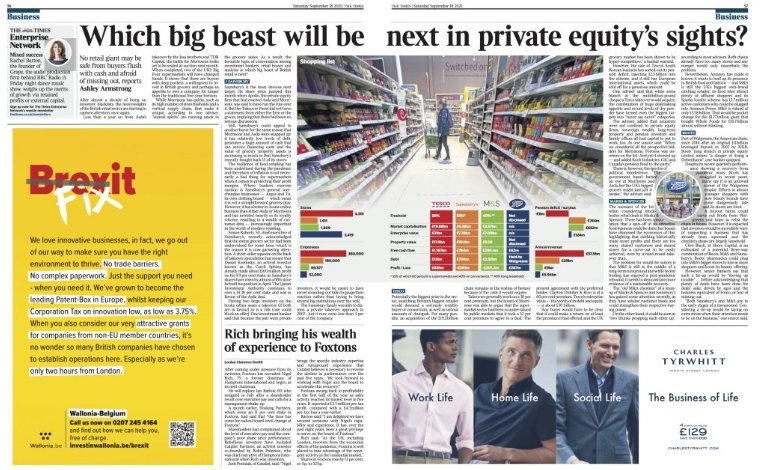
Here’s how they did it:
But it’s not just the ad.
Success was founded on a killer b2b marketing funnel, optimised along every step of the way.
And a combination of old-school fundamentals and lessons from SaaS disruptors allowed them to outmanoeuvre the competition.
Here’s how it looked.
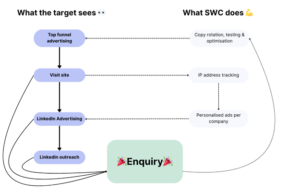
💰The million euro marketing funnel
That’s a lot to take in, in just one flow chart. So here’s what it meant:
1️⃣ Awareness: make them know your name
Traditional media advertising (The Guardian, LBC radio, Eurostar) got Wallonia in front of UK business leaders.
Weekly creative rotations for different verticals (logistics, pharma, finance) delivered sector-relevant messages.
And based on the weekly volume of inquiries, for each one they knew what was working (and what wasn’t). This allowed them to optimise creative.
2️⃣ Intent identification – without a form fill
Using IP tracking, they identified companies anonymously visiting the site. Decision makers at those companies were then matched with their LinkedIn profiles for targeted follow-up.
3️⃣ Personalised engagement: warm up the sale
Because they were company-targeted, Linkedin could include personalisation in the creative (think “Hi Tesco, Wallonia has the solution to your Brexit logistics”). That built familiarity before outreach.
4️⃣ Sales outreach: warm conversations
The embassy’s business development team ran multi-touch sequences to the IP-identified prospects via LinkedIn, email, and phone, capitalising on the exposure built upstream.
🧠 How Wallonia out-thought the competition
As well as a funnel that worked like clockwork, the Wallonia campaign was engineered to be more efficient every step of the way – and more impactful than the big-spending competition.
Here’s how:
🫶 Copy that speaks like a human
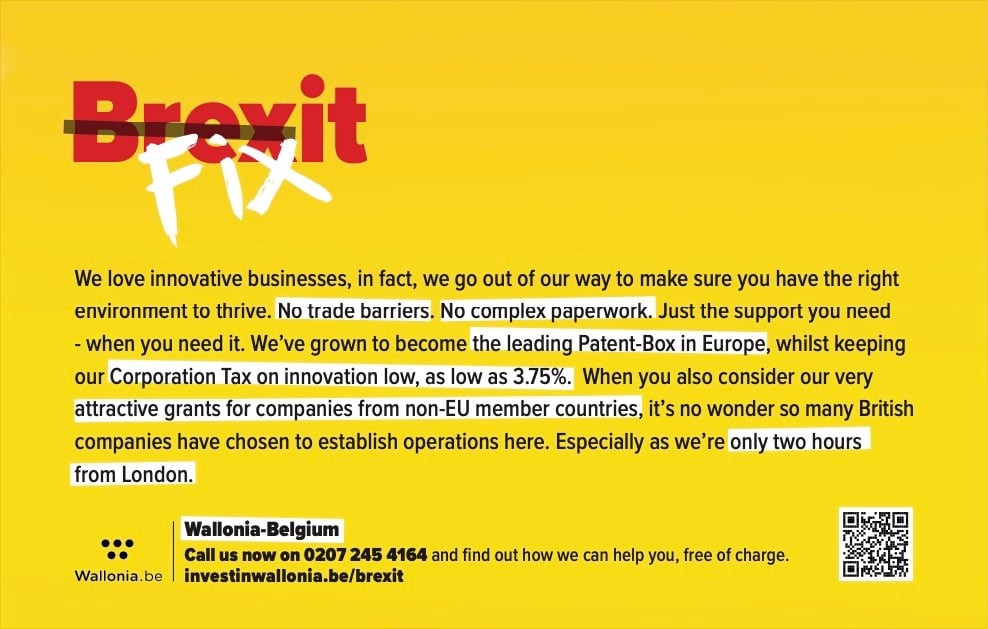
The copy tapped directly into a CEO’s anxiety: disrupted supply chains, EU regulations, cross-border red tape.
It got out of the way and let the truth do the work. And that’s why it resonated with executives tired of jargon. In 100 plain-spoken words it hits three pain points (and provides the solutions).
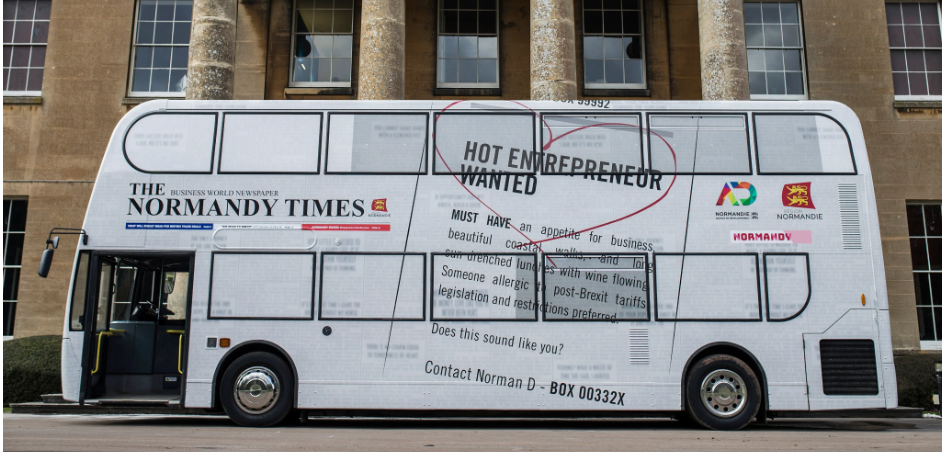
Compare it to the French approach (is it for business owners, or tourists?), and you’ll see why Wallonia’s simpler ad performed better.
✍️ No expensive shoots. Just copy.
SWC skipped the high production, opting for bold colours and typography, together with that hard-hitting copy.
It stood out from the competition, and the stripped-back approach was both cost-effective and strategic.
The modular advertising system meant they could test, iterate, and improve in real time:
🎯 Tailor highly specific messages in targeted industry publications
🎯 Launch real-time creative updates
🎯 Learn, adapt, and optimise on the fly, without a single reshoot
They were so dynamic as to adapt their messaging in real-time on Eurostar billboards.
Copy-led creative isn’t just cheaper. Used right, it gives you control, speed, and precision targeting.
🎯 Old-school media. Challenger precision.
SWC advertised where they knew the multinational C-suite already was:
👉 Full-page Guardian takeovers
👉 LBC radio sponsorship (they even sponsored the business news)
👉 High-visibility digital screens in Eurostar lounges
👉 Persona-targeted TV ads using Sky AdSmart’s addressable TV
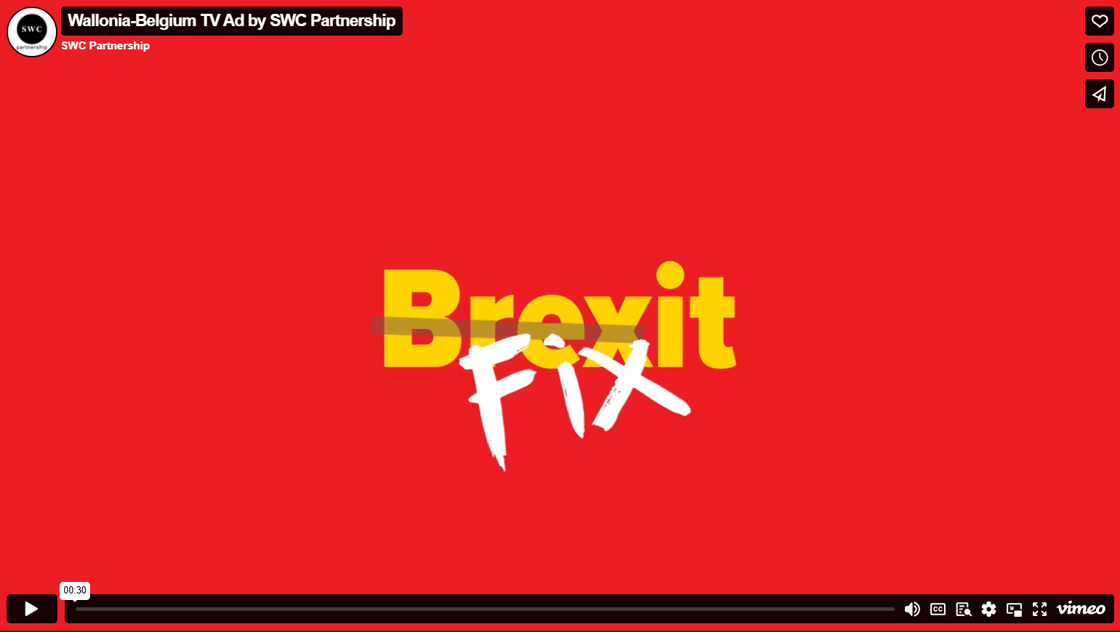
Every channel was chosen because decision-makers already trusted it. Every euro was spent on a channel where their ICP was sure to be present.
So they only invested in targeted smart TV advertising, not normal TV.
Compare that to the mass approach of other regions (like Normandy’s London buses) and you can see why pound-for-pound Wallonia’s advertising was more successful.
🔍 ABM in a government campaign
The competitive advantage came when Wallonia started to act like a challenger, not a slow-moving institution.
Using IP tracking, they identified which companies their advertising had driven to the Wallonia site, but that hadn’t converted.
They took the data to LinkedIn, to target the company’s decision-makers with personalised advertising and one-to-one outreach.
This actually happened:
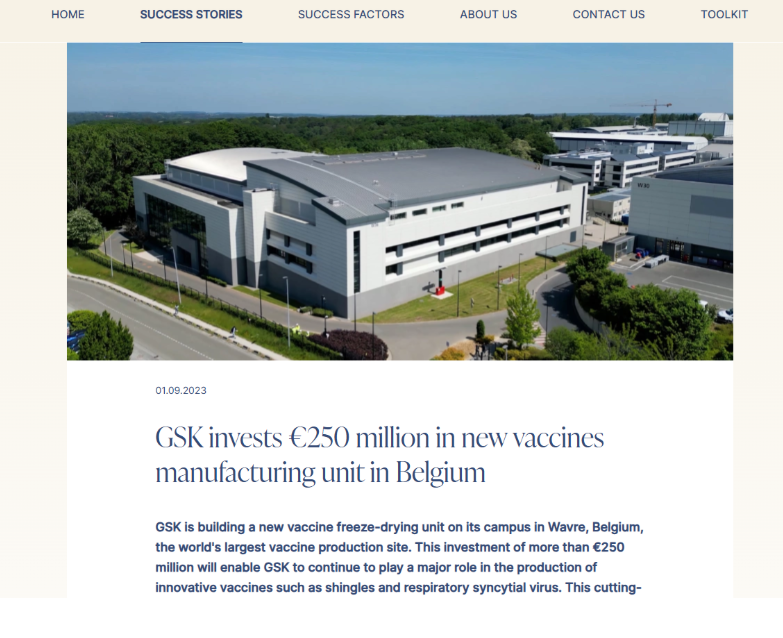
1️⃣ Employees of GSK – a big target for Wallonia’s life sciences sector visits the Wallonia website thanks to the advertising campaign.
2️⃣ SWC identifies the visits, and makes a list of decision makers on LinkedIn.
3️⃣ Ads personalised to GSK, and each individual, are built in moments.
4️⃣ Once a target had seen the ad 4 times, business development stepped in with LinkedIn messages, emails, and old-school phone calls.
Did it work?
Yes.
In 2023 GSK opened a €250 million manufacturing hub in Wallonia, and in 2024, their largest pharmaceuticals warehouse.
📈 Results that made the UK take notice
More than 1,000 companies registered interest in relocating or expanding to Wallonia, and several thousand new jobs were created through expansions tied to the campaign.
And the big fish: GSK, a global pharma leader, relocated its operations. Proof that the funnel worked all the way from copy to conversion.
Here’s the takeaway:
You don’t need a million-euro budget. You need a clear message, creative that stands out, and laser targeting (okay, and maybe a Sortlist advertising agency to run it 😉).
And that’s it! I hope this one sparked ideas.
If it did, forward it to a friend, show some love on LinkedIn, or subscribe for the next edition. We’ll be breaking down how a celebrity-backed, punk brand of vegan shoes (really) launched to mainstream success.
See you there,


