

What Is YouTube Advertising? + The Best 3 Examples (2025 Guide)

If you’re looking to grow your brand, generate leads, or increase sales, then you’ve probably asked yourself: What is YouTube advertising, and why is everyone talking about it?
With over 2.74 billion monthly users and an influence on buying decisions greater than that of any other social app, YouTube has become the most powerful video advertising tool for modern marketers. According to a 2023 Ipsos survey of US users who discover new products or brands on YouTube or Google feeds, 87% say they took action right after using YouTube or Google.
In this guide, you’ll learn the ins and outs of YouTube advertising, including the best examples, when to use it, and proven best practices so you can run profitable campaigns right away.
Let’s get started!
What Is YouTube Advertising?
YouTube advertising is a form of paid video marketing in which brands can run ads on YouTube and across websites or apps running on Google video partners. These video ads allow you to target audiences based on demographics, interests, behaviors, keywords, and even specific YouTube channels.
Some of the key features of YouTube ads are:
- Targeting based on Google’s massive user data.
- Multiple ad formats, including skippable video ads, non-skippable video ads, in-feed, bumper ads, discovery, Audio, and Shorts ads.
- Measurable results, including views, conversions, and brand lift, which allow you to understand how many people are viewing your ad, how engaged they are, and what actions they’re taking.
- Affordable cost-per-view, often ranging from $0.01–$0.03.
- Massive reach across every niche and industry.
In other words, YouTube ad campaigns help you put the right video message in front of the right audience at the right time.
Types of YouTube Ads
To understand YouTube advertising, it is helpful to know the available ad formats. Each format serves a different purpose: awareness, traffic, conversion, or retargeting. So, before choosing one or running YouTube ads, make sure you opt for a type of ad that aligns with your campaign objectives.
Below is a short explanation of the main types of YouTube ads in 2025.
Skippable In-Stream Ads (TrueView Ads)
These ads play before, during, or after YouTube videos, and users can only skip them after 5 seconds.
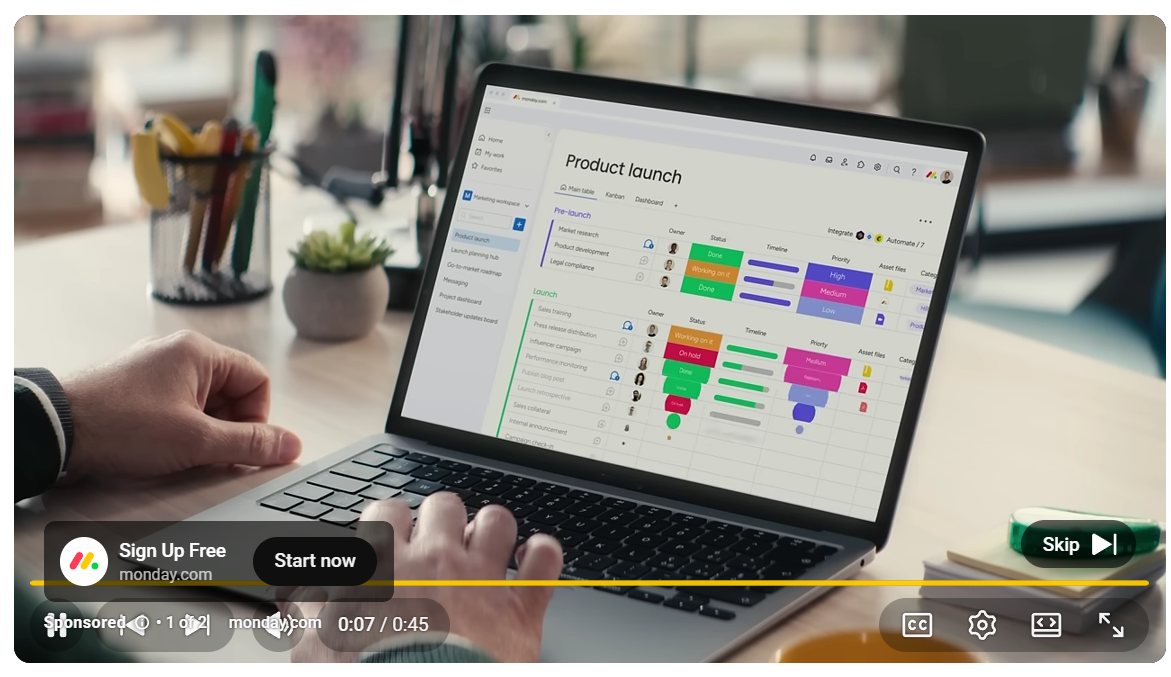
This type of ad is best for:
- Engagement
- Storytelling
- Direct response campaigns
- Testing different video hooks
Remember that with skippable video ads, you only pay when a viewer watches at least 30 seconds of the ad or engages with it, or the full duration of the video if it’s shorter than 30 seconds.
Non Skippable Ads
These 15–20 second ads cannot be skipped and are the perfect way to deliver a complete message to your audience.
At Sortlist, we highly recommend using them for:
- High-impact brand awareness
- Launching campaigns
- Reaching large audiences quickly
You can use three distinct ad formats for your non-skippable in-stream ads:
- Bumper Ads: Videos up to six seconds long.
- Standard non-skippable: Videos between 7 and 15 seconds long.
- 30-second non-skippable ads on Connected TV (CTV): Videos between 16 and 30 seconds long shown on connected TV (CTV).
Non-skippable in-stream ads use a target cost-per-thousand impressions (tCPM) bidding model, in which you set the average amount you’re willing to pay for every thousand times your ad is shown. This allows you to have full control over how much you spend on each YouTube ad campaign.
In-Feed Video Ads (Discovery Ads)
In-feed video ads appear in YouTube search results, on the YouTube homepage, and in the “Related Videos” section. Similar to organic videos, they encourage users to click and watch your content.
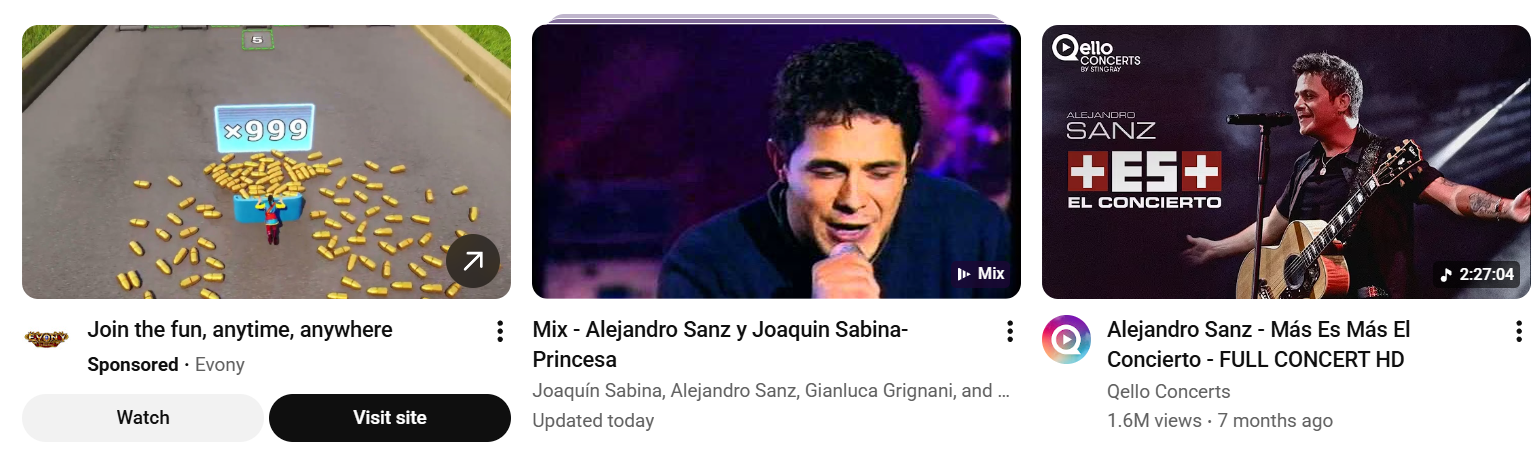
We highly recommend using them for the following:
- Tutorials
- Demos
- Educational videos
- Driving high-quality traffic to your channel
- Attracting viewers who are already searching for solutions.
- Positioning your video beside competitor content
In-feed video ads use CPV bidding, where you pay for video views when someone interacts with a video thumbnail to watch your ad. According to Google, you’re charged when the video content successfully loads in the viewer’s browser or YouTube app.
YouTube Shorts Ads
YouTube Shorts ads appear between short, vertical videos in the Shorts feed. With billions of daily views, this format effectively reaches users who primarily use mobile devices, especially Gen Zers.
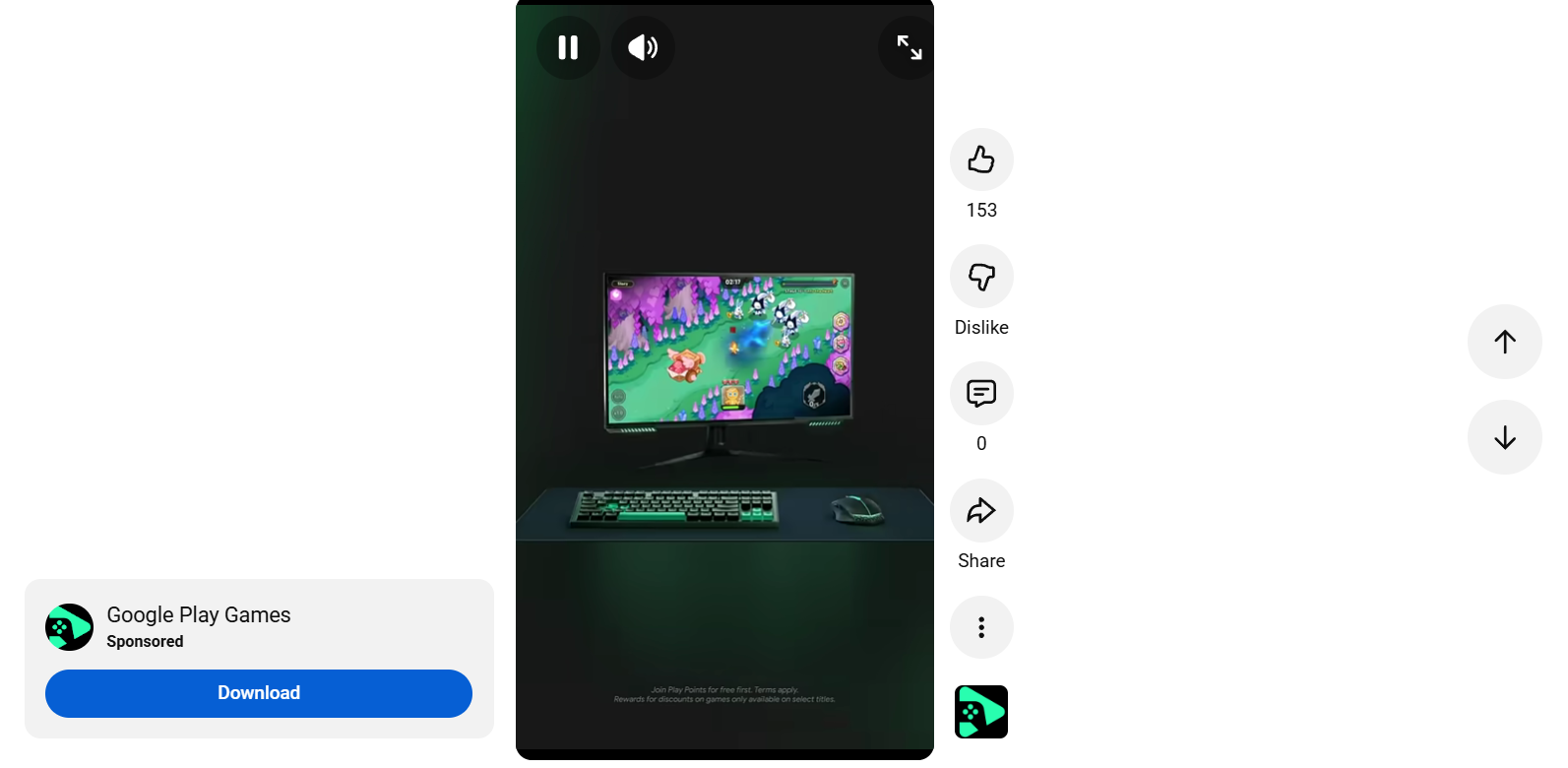
With that in mind, YouTube Shorts Ads are best for:
- Launching quick product teasers
- Increasing brand awareness among younger audiences
- Driving viral-style engagement
- Promoting visually striking content
Keep in mind that this type of YouTube ad typically uses the CPV bidding model to determine how much your campaign costs.
Masthead Video Ads
Masthead ads are large autoplay banners that appear at the top of the YouTube homepage. This makes them one of the most visible ad formats available.
We recommend using them when planning:
- Major product launches
- Company-wide announcements
- Brand takeovers
Masthead ads are available with two bidding structures: cost per thousand impressions (CPM) and cost per hour (CPH). Each has its own benefits. CPM provides a reserved and fixed volume of impressions delivered over the course of your campaign. CPH provides 100% share of voice (SOV) of eligible YouTube Masthead impressions during the reserved hours you purchase.
When to Use YouTube Advertising As Part of Your Marketing Strategy
YouTube is one of the strongest platforms for building brand awareness because users are highly engaged and spend a lot of time watching videos. Video allows you to convey emotion, tone, and personality in a way that static ads simply can’t. With precise targeting options, such as interests, behavior, and even specific channels, you can reach specific audiences that match your ideal customer profile and deliver a memorable, high-impact message. This consistent visibility helps establish trust and familiarity, increasing the likelihood that viewers will remember your brand when they’re ready to buy.
Read on for a closer look at when to use YouTube ads and why they work so well in each scenario.
To Generate Leads or Sales
If your goal is to generate leads or sales, YouTube advertising offers some of the most powerful intent-based targeting available in digital advertising. Because ads can appear before videos related to your niche, industry, or keywords, you can reach specific demographics at the exact moment they’re researching solutions. Clickable calls to action (CTAs) make it easy to drive people directly to your landing pages, and formats like skippable ads ensure you pay only for engaged viewers. By combining storytelling with clear value propositions, YouTube can effectively guide prospects from awareness to action with impressive cost efficiency.
To Educate Your Audience
For products or services that require explanation, comparison, or demonstration, YouTube is ideal. Since viewers often come to the platform to learn, it’s an ideal environment for tutorial-style ads, product demos, or narrative walkthroughs. Longer formats allow you to clarify benefits, address objections, and showcase your product in action. By educating viewers directly within the ad experience, you can shorten the decision-making process and establish your brand as a credible authority in your field.
To Reach Specific Niches or Communities
YouTube is home to countless niche communities, from fitness and gaming to technology and beauty, as well as every hobby imaginable. The platform allows you to target viewers based on the exact channels they watch or the keywords they search, making your ad placement exceptionally precise. This level of relevance creates a stronger connection and increases engagement because your message appears within content that your audience already cares deeply about. When you need targeted visibility rather than broad reach, YouTube provides unmatched accuracy.
To Retarget Warm Audiences
Retargeting on YouTube is one of the most cost effective ways to convert warm audiences into customers. You can reconnect with people who have visited your website, watched your videos, interacted with your brand, or abandoned their carts. Video helps re-engage them emotionally by reiterating your value and reminding them why they were interested in the first place. Since these users already know you, retargeting ads often deliver the highest conversion rates and strongest return on ad spend.
To Launch A New Product or Promotion
This is a powerful channel for product launches and time-sensitive promotions because it delivers massive reach quickly. High-visibility formats, such as non-skippable ads, bumper ads, and masthead placements, can generate widespread awareness. The platform allows you to combine announcement messaging with demonstrations or teasers to build excitement and urgency. This concentrated exposure ensures your audience knows exactly what’s launching and why they should care.
For Consistent, Long-Term Growth
YouTube is not just a short-term marketing tool; it can support long-term growth. Unlike other platforms where creative content quickly loses its effectiveness, YouTube ads tend to maintain performance over longer periods because users consume content with more focus and intention. As your campaigns run, they become more efficient through optimization and improved targeting signals. YouTube supports full-funnel strategies, blending awareness, education, and conversion to create a sustainable growth engine for brands committed to ongoing visibility.
The 3 Best Examples of YouTube Advertising
Below are real-world examples designed to inspire your next campaign. They highlight the best practices and strategies used in some of the most successful YouTube ads, which you can then replicate to make the most out of every penny spent on YouTube.
Dollar Shave Club: Our Blades Are F*ing Great
This ad features Dollar Shave Club’s founder walking through a warehouse and delivering a humorous and irreverent pitch. He explains why the company’s razor subscription is cheaper, simpler, and better than those of traditional brands. The video blends comedy with clear messaging, making the product seem both relatable and innovative.
Why it worked:
- It hooks the viewer in the first three seconds.
- Fast-paced humor and a clear value proposition.
- A direct call to action that boosted conversions.
This iconic ad received more than 28 million views and helped turn Dollar Shave Club into a household name. It’s a perfect example of how ads with personality outperform overly polished corporate videos.
Apple: Relax, It’s iPhone
This ad series depicts everyday situations in which people accidentally drop, spill on, or otherwise mishandle their phones. The ads then reveal that iPhones can easily withstand the impact. The ads are humorous and simple. They instantly communicate the phone’s durability without dialogue or complex storytelling.
Why they worked:
- Strong visual storytelling instantly conveys durability.
- The clean, minimalist branding is consistent with Apple’s identity.
- The short, punchy pacing is ideal for non-skippable formats.
This campaign stands out because it showcases a real product benefit in just a few seconds, making it perfect for capturing attention and driving quick brand recall.
Nike: You Can’t Stop Us
This visually striking ad uses a seamless split-screen technique to pair athletes from different sports performing nearly identical motions. The video highlights themes of resilience, unity, and determination, particularly in the context of global challenges. It delivers an emotional message that celebrates human potential and the spirit of sports without relying on heavy narration.
Why it worked:
- Powerful emotional storytelling transcending specific sports.
- The visually captivating editing keeps viewers engaged from the first second.
- Universal message that resonates with athletes and non-athletes alike
Blending creativity, social relevance, and impactful visuals, the ad became one of Nike’s most talked-about campaigns, showing how brand values can be communicated powerfully through YouTube’s video-first format.
How Much Do YouTube Ads Cost?
Compared to platforms like Meta or TikTok, YouTube advertising is known for being cost-effective. On average, you can expect to pay:
- Average Cost Per View (CPV): $0.01–$0.03
- Average Cost-Per-Thousand Impressions (CPM): $2-$10
However, keep in mind that your final cost depends on several factors, including targeting, industry competitiveness, seasonality, ad quality, and bidding model. High-intent audiences, such as people searching for specific solutions, tend to cost more but convert better. Meanwhile, broader awareness campaigns are cheaper and deliver large volumes of impressions.
Overall, most advertisers find that YouTube delivers a strong ROI because its viewers are more attentive, the platform offers deep targeting capabilities, and machine learning continually improves performance. Even small budgets can generate meaningful results.
Conclusion
YouTube advertising has become one of the most powerful tools for brands that want to grow and educate audiences on a large scale. With its flexible formats, advanced targeting, and cost-efficient performance, YouTube enables you to reach the right people with the right message, whether you’re launching a new product, retargeting warm audiences, or building long-term brand awareness. Understanding how YouTube ads work and applying best practices enables you to run campaigns that consistently deliver measurable results and support your entire marketing funnel. With the right strategy and creative approach, YouTube can be a significant driver of growth for your business.
Whether you lack an internal team to handle YouTube advertising or are looking to hire a third party for assistance, Sortlist has the top 100 YouTube advertising agencies for 2025. Check them out and get started!
FAQs on YouTube Advertising
1. Are YouTube ads worth it?
Yes, thanks to affordable CPVs, long watch times, and Google’s advanced targeting, YouTube ads deliver strong ROI. Brands can build awareness, educate audiences, and drive conversions on one platform.
2. What is the minimum budget for YouTube ads?
Although there is no official minimum, most advertisers see the best results starting at $10–$20 per day. Even small budgets can deliver thousands of impressions.
3. Which YouTube ad format performs best?
Skippable in-stream ads are the most versatile format and often perform best for both awareness and direct response because you only pay when viewers watch or engage with them.
4. How long should a YouTube ad be?
The ideal length is 15–30 seconds for most performance campaigns. However, long-form ads (45–90 seconds) are better suited for storytelling, demonstrations, and educational content.
5. Can YouTube ads generate sales?
Absolutely. With clickable calls to action (CTAs), conversion-based bidding, and intent-driven targeting, YouTube is highly effective for lead generation and e-commerce sales.


