


Case study: Snapdragon, or what to do when your product isn’t sexy

Last update: 27 March 2026 at 05:09 pm
 5.00/5
You probably never think about the chip inside your phone.
Qualcomm’s Snapdragon is the brain powering countless smartphones, but almost no one in Europe even knew its name.
This is the story of how Snapdragon, together with agency 1000heads, set out to change that by making an invisible tech component not just seen, but felt.
Snapdragon’s challenge was bold: turn a behind-the-scenes chip into a brand people would actively seek out. They launched the “Feel the Power” campaign to do the impossible: to get you to literally feel their processor’s speed and power in action.
One year (and some stunning social media stunts) later, the results spoke for themselves: engagement skyrocketed and thousands more users finally knew to ask, “Does this phone have Snapdragon?”
How did the agency make people feel a piece of silicon hidden deep in their devices?
Let’s find out 👇
How to market what you can’t see
Snapdragon was a powerhouse with a visibility problem.
The chip was in millions of phones (especially Samsung devices), yet European consumers barely knew it existed. The mission was clear: evolve from a B2B component maker into a consumer-facing ingredient brand that people recognize and demand by name.
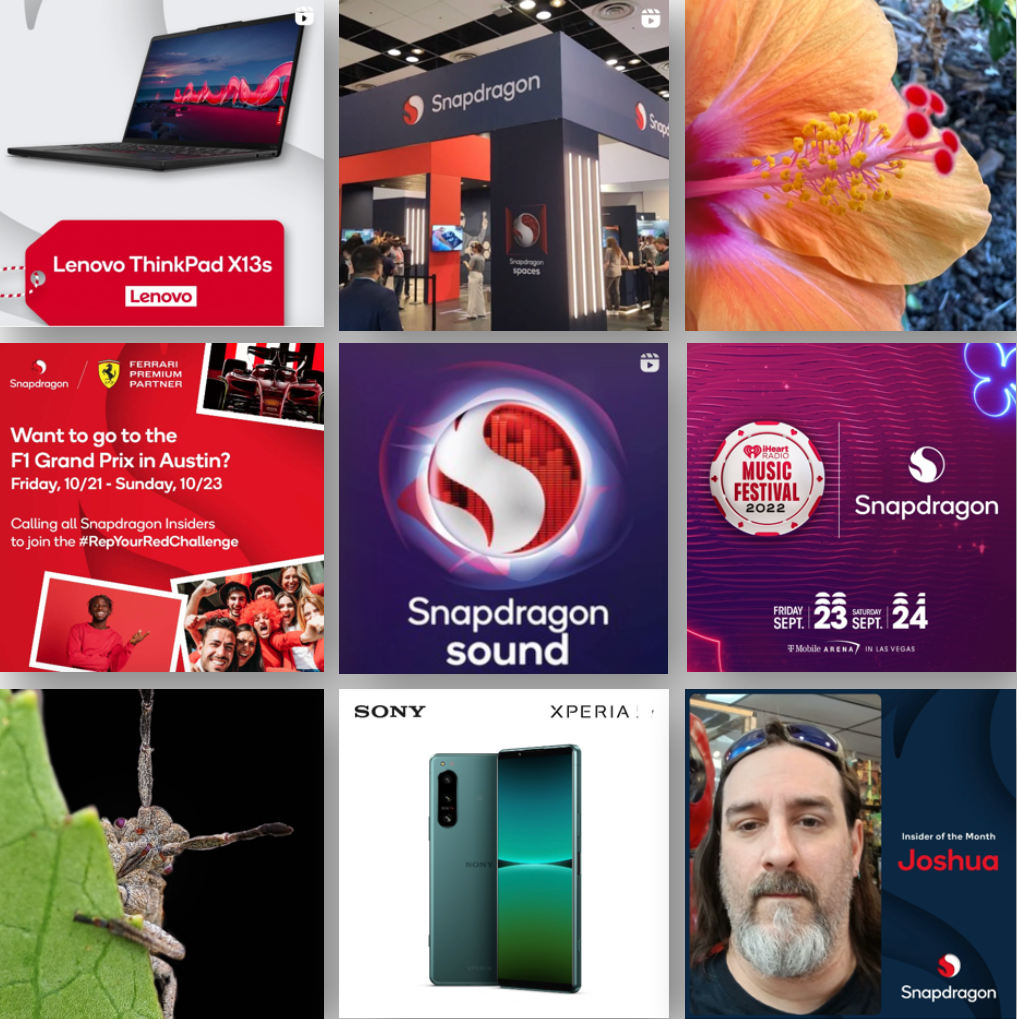
That meant meeting users where they live – on social media – and creating a direct connection from scratch. Snapdragon’s team (with creative agency 1000heads by their side) set out to build a social-first presence in Europe that could turn geeky specs into shareable, craveable content.
The twist?
They had to show, not tell, why Snapdragon’s tech is awesome, without the luxury of a tangible product to flaunt. You weren’t able to photograph a processor, but you sure were going to feel it 💡
“Feel the Power”: show, don’t tell
The campaign’s guiding light was the tagline “Feel the Power.” Instead of lecturing about CPU benchmarks and gigahertz, the team focused on felt experiences. What does speed actually feel like in your hand? How do you convey a smoother camera or faster multitasking in a way that makes someone grin and say “wow, I felt that!”?
Snapdragon’s answer: create content that translates abstract tech benefits into visceral demos. They homed in on two killer features their chip delivers:
- speed (how fast and responsive your phone is), and
- camera magic (jaw-dropping photos, video, and AR).
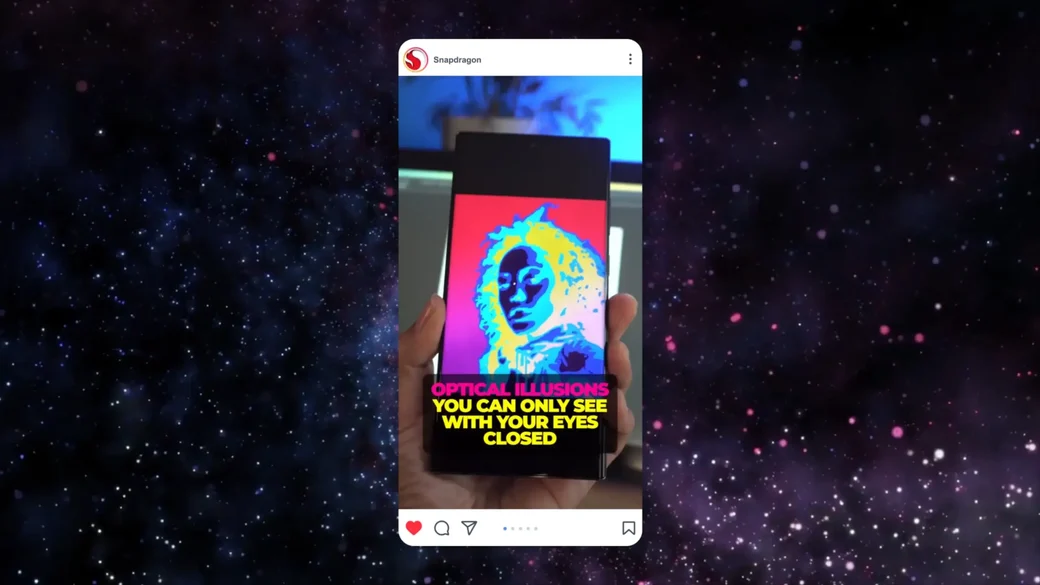
Each feature was reimagined as a playful social media moment. From day one, the motto was clear: don’t just describe it, let people experience it.
If the Snapdragon chip makes your apps fly, show it with a game that literally has fans tapping like crazy.
If it makes your camera pro-level, let a photographer influencer prove it in real time.
Every idea had to pass the test: does it make the user feel the power in their hands?
The social-first strategy was crucial. Rather than big TV ads or billboards, Snapdragon went all-in on Instagram (and other platforms) to launch their European voice.
Why? Social let them zero in on tech enthusiasts and early adopters (Snapdragon’s Insiders community) and arm them with cool content to share.
It also gave the team agility to ride real-time trends: if a new meme or AR filter was hot, Snapdragon could jump on it natively. In short, the campaign would live and breathe in the feeds and Stories where their audience already scrolls.
Want your audience to feel your product’s power?
The right agency can turn dry tech specs into viral, sensory experiences. These teams know how to make magic out of megabytes.
Browse top-rated marketing agencies >Platform-native magic: hacking social media
Snapdragon’s team knew that to grab people’s attention, they had to play by the platforms’ rules – and then bend them in creative ways.
Every piece of content was built native to the platform. Instead of generic videos, they crafted Instagram Story games and AR illusions tailor-made for tapping thumbs. They studied trending formats, audio snippets, swipe challenges – anything that was buzzing on social – and injected Snapdragon into the mix seamlessly.
The result: content that didn’t feel like ads, but like fun extensions of what users were already doing.
In fact, the team became master “hackers” of social apps (in the best way). They pushed Instagram’s features to their limits to create effects no one had seen before from a brand.
Here are two examples:

- An interactive Instagram Story game that let users “feel” Snapdragon’s speed. Viewers could tap furiously to control a character (think a rocket or racecar) dodging obstacles at great speed, a tongue-in-cheek nod to how Snapdragon makes a phone snappier.
- A mind-bending 3D illusion: in a Story, a spaceship appeared to float out of the phone screen, achieved by a clever split-screen video trick. This visual trick showed the phone’s multitasking prowess (handling graphics and performance simultaneously) without a single tech spec mentioned.
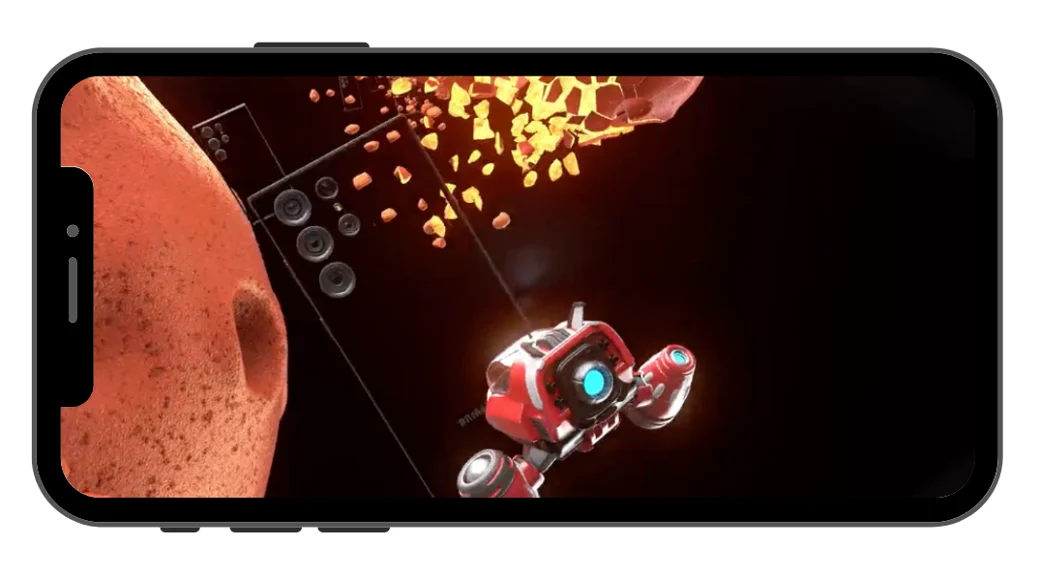
By executing these ideas within the platform’s own tools (stickers, taps, camera effects) the content felt organic – users didn’t have to download an app or click out; they played right there on Instagram.
And when something is fun and feels native to the feed, people engage. They share. They challenge their friends to beat their high score.
Creator-led credibility: influencers as co-creators
The folks at agency 1000heads also knew that who delivers a message can be as important as the message itself.
To broaden their reach and build trust, they made the campaign creator-led. Rather than blasting out content only from the brand’s accounts, they partnered with influencers who already had clout with the target audience.
But they didn’t go for just any tech bloggers or mainstream celebs.
They handpicked creative tech enthusiasts, folks who might not be household names, but who had serious credibility in niches like mobile photography, AR effects, and optical illusions.
For example, they collaborated with digital artists who are masters at perspective tricks and illusion videos. These creators were a perfect fit for the “Feel the Power” theme: they literally create content you feel with your eyes:
- One illusion artist made a Snapdragon-powered video where he seemingly pulled photo quality out of thin air, showcasing the chip’s camera enhancements in a way far cooler than a spec sheet.
- A mobile photographer took a Snapdragon device on a whirlwind test, snapping ultra-fast photos in low light to prove “Look, no blur – this chip is fast!”
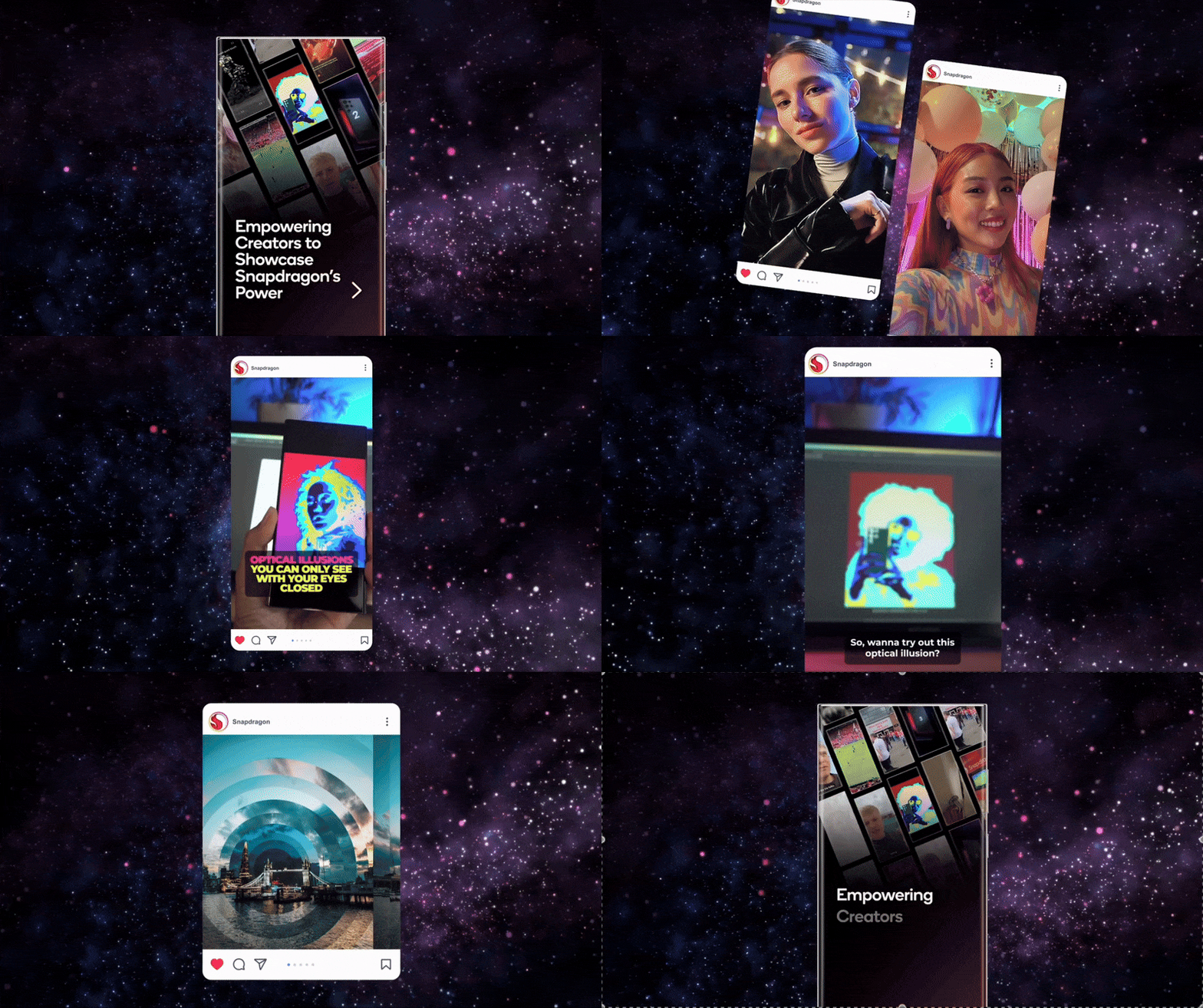
By letting creators experience the tech live and share it with their own spin, Snapdragon earned a valuable stamp of authenticity. It wasn’t the brand saying “our camera is great.” It was a trusted voice showing it.
These influencer partnerships also unlocked new audiences beyond Snapdragon’s own follower base. Each creator brought along a community of fans who might never have followed a processor company, but were intrigued by the cool challenge or stunt their favorite creator was doing.
Importantly, the creators were given freedom to be genuine; their content felt like their content, not a scripted ad. That credibility rubbed off on Snapdragon’s image. Tech enthusiasts started seeing Snapdragon not just as a chip brand, but as a part of the creative tech culture.
And this wasn’t about one viral hit and done – it was a collective swell. Dozens of micro-campaigns from different creators, each reinforcing the “Feel the Power” message in their own style, added up to something huge. Snapdragon’s social mentions and tags grew as fans engaged with multiple pieces of content across channels.
By the end, the campaign felt less like a top-down advertisement and more like a community conversation happening around Snapdragon’s capabilities.
Want your audience to feel your product’s power?
The right agency can turn dry tech specs into viral, sensory experiences. These teams know how to make magic out of megabytes.
Browse top-rated marketing agencies >Results: from invisible to invincible
When the dust (or pixels) settled, Snapdragon’s “Feel the Power” campaign proved to be a strategic masterclass in tech marketing. The primary goals were awareness and engagement, and Snapdragon hit bullseye on both:
1) Awareness unlocked: in target markets, consumer recognition of the Snapdragon name jumped dramatically. In terms of reach, it was a 40% year-over-year increase without a correlating increase in paid media investment.
2) Purchase intent: internal brand lift studies showed that 75% of those planning to upgrade in the year said they “will look for a Snapdragon-powered device.”
Essentially, Snapdragon went from an unknown ingredient to a talking point.
3) Engagement through the roof: on social platforms, the campaign sparked interaction like never before – a 450% year-over-year increase in social interactions, with +30% uplift in average Instagram engagements.
Snapdragon’s new European social accounts racked up tens of thousands of interactions – not just passive views, but real plays, shares, comments, and creations.
The Instagram games and illusion posts garnered high completion rates (people spent time to play them through) and share rates that beat benchmarks. In plain terms, people weren’t just scrolling past this content; they were leaning in and loving it.
Perhaps more important than any single metric, Snapdragon successfully established a direct channel to its fans. By combining killer content with influencer amplification, they grew a follower base that they can cultivate for the long term.
Takeaway: use the F.E.E.L. Framework
So how can you replicate Snapdragon’s success on your own scale? It comes down to making your audience F.E.E.L. it:
- Focus on a felt benefit: find the human experience hiding in your product. Snapdragon realized speed isn’t a number; it’s a feeling of immediate response. Identify that emotional or tactile benefit your solution gives and build your story around it. What will make your user go “oh, I felt that difference”? That’s your hook.
- Execute natively: don’t force old formats into new channels. Craft your content to fit the platform and current culture. Snapchat, TikTok, Instagram, YouTube – each has its own language and interactive quirks. Snapdragon’s team created platform-specific magic (games, illusions) rather than repurposing generic ads. The more native your execution, the more naturally it will engage.
- Earn creator credibility: audiences trust people over brands. Partner with creators who inspire your crowd and align with your message. Let them add their personal flair; their authenticity will rub off on you. Snapdragon picked tech-savvy illusionists and photographers who could organically showcase the product’s strengths. The result was content that felt credible and cool, a potent combo.
- Link the fun to the “why”: it’s easy to make something trendy and fun; it’s harder to tie it back to your product’s purpose. Always connect the dots for your audience: why does this content matter? Snapdragon ensured every playful experience (while entertaining) ultimately highlighted why their chip matters, whether it’s faster apps, better photos, or smoother multitasking. Fun for fun’s sake might get likes, but fun with a purpose gets results and recall.
And the best part? You don’t need to be a trillion-dollar company to apply these lessons. Great storytelling, platform-native thinking, collaborating with the right creative minds, and focusing on felt benefits are universal keys to marketing that hits home.
Now it’s your turn to make your audience feel the power of what you do. Are you ready to craft an unforgettable campaign of your own? All it takes is a spark of an idea and the right team to ignite it 😉 Find that team at Sortlist.
Once you’ve made an “unsexy” product feel real and valuable, the next step is turning that experience into a repeatable engine for acquisition and retention with a product-led growth model.


