


Why Audiences Trust Micro Creators More Than Ever

Trust has become the new currency of digital marketing. As consumers worldwide grow weary of polished advertisements and celebrity endorsements, micro creators have emerged as a new kind of influence. These authentic voices are changing how people discover, evaluate, and connect with brands online.
If your goal is to earn genuine engagement, build a sense of community, and inspire confidence in your brand, learning how to collaborate with micro influencers could be the key to your next growth breakthrough.
Read on to learn more about the benefits of working with these new digital creators and how to get started. Our goal is to help you improve your influencer marketing strategies without breaking the bank.
Key Takeaways
- Micro creators = high engagement + authentic connections.
- Focus on shared values and aligned audiences, not just numbers.
- Give creators creative freedom to produce more natural and persuasive content.
- Track qualitative and quantitative metrics to refine your strategy.
- Avoid overcontrolling, undercommunicating, or relying on one-offs.
- Partnering through Sortlist can streamline the discovery process and ensure a good fit.
What Are Micro Creators (and How They Differ from Macro Influencers)?
Micro creators are social media content creators who typically have between 10,000 and 100,000 followers. Micro influencers produce relatable, authentic content focused on specific niches, such as sustainable fashion, wellness, local food, and tech gadgets.
@worldsoutside and @thecocktailshakerco are two great examples of micro influencers. Their Instagram feeds are dedicated exclusively to one topic: travel and the bar industry, respectively.
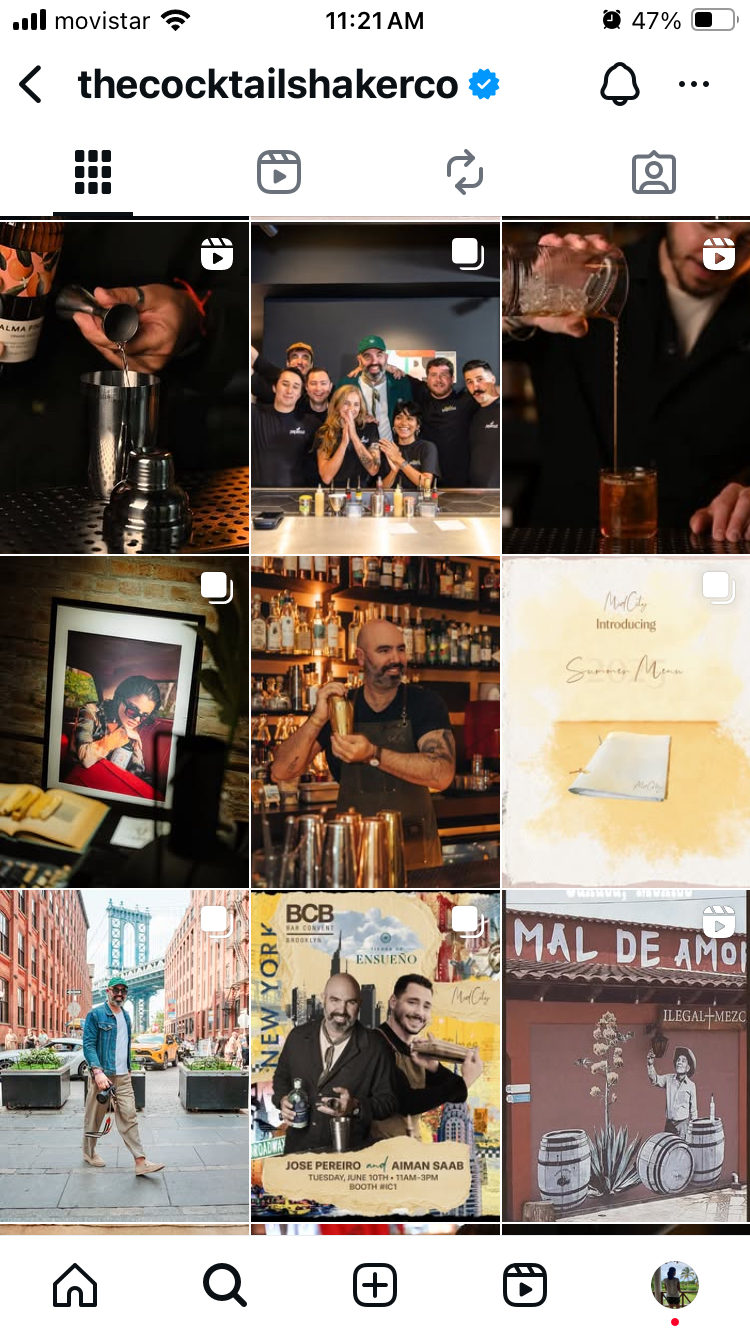
Unlike celebrity or macro influencers, who have a huge follower count, these smaller creators build tight-knit communities where followers feel seen, heard, and personally connected. This smaller scale fosters higher engagement and stronger trust, two factors that make them valuable to modern brands.
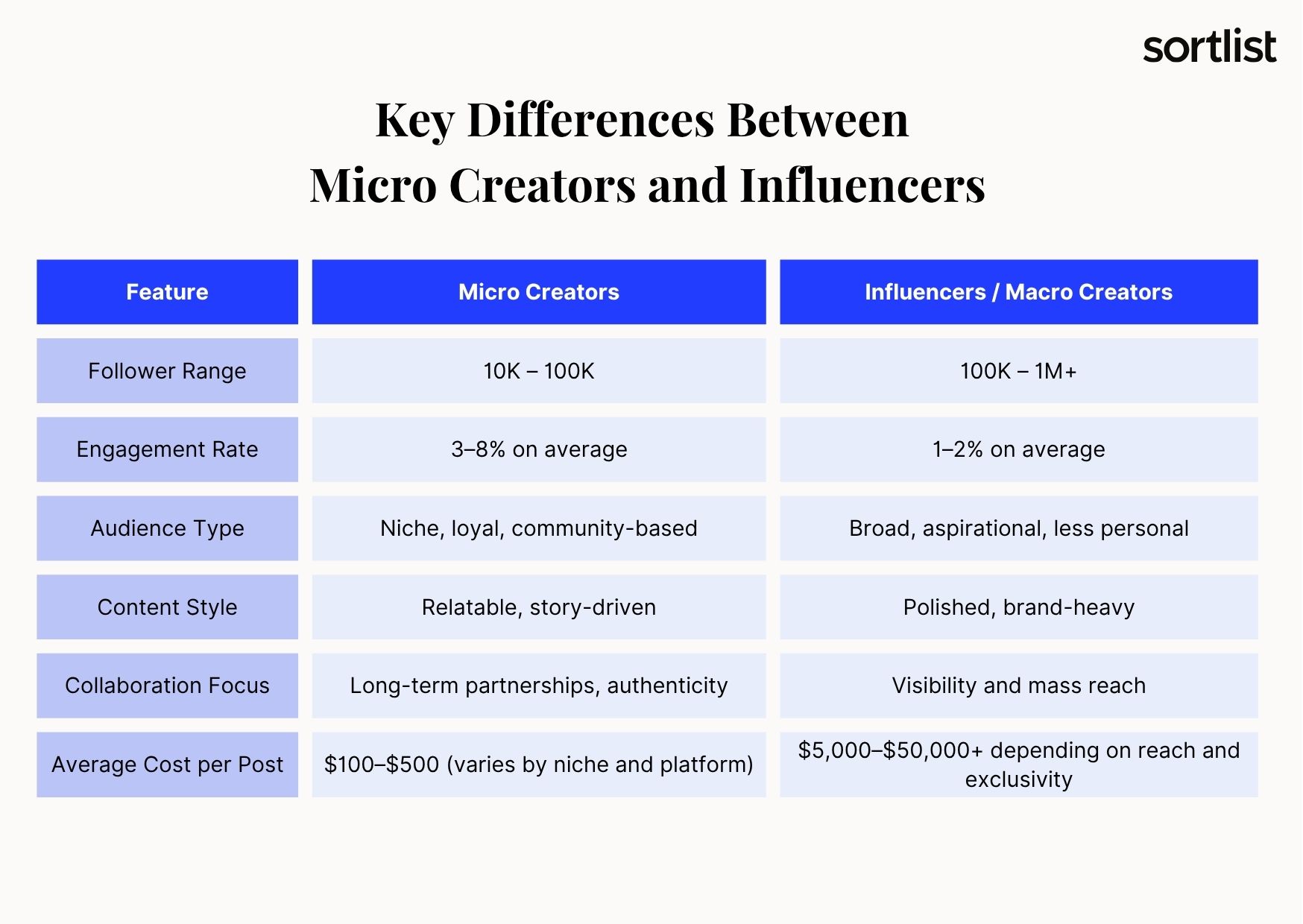
While macro influencers charge premium rates for reach, micro influencers deliver a higher ROI due to stronger engagement and audience trust. Many brands find that working with multiple micro-creators is more effective than working with one large influencer in terms of both conversions and cost efficiency.
If your goal is to maximize authentic engagement while staying budget-conscious, micro influencers offer an ideal balance of affordability, creativity, and credibility.
To find the right creators for your next campaign, explore vetted partnerships with influencer marketing agencies through Sortlist.
Why People Trust Micro Influencers More
In a digital world overflowing with sponsored posts and polished content, audiences have become increasingly skeptical of traditional influencer marketing. This is where micro influencers stand out. Their smaller, community-driven approach fosters genuine relationships and a level of trust that large-scale influencers often can’t replicate.
Here’s why today’s audiences have more faith in micro influencers than in macro or mega influencers:
- Authentic storytelling: Micro influencers are known for their honesty and transparency. They share real experiences, not just brand talking points, making their recommendations feel genuine and relatable. Followers see them as trusted peers, not paid promoters.
- Higher engagement rates: While a celebrity influencer might have millions of followers, engagement is often low. Micro-creators, on the other hand, maintain engagement rates that are 2–3 times higher, meaning their audiences are more responsive, loyal, and interactive.
- Community over celebrity: People follow micro-creators because they can identify with them, their lifestyles, challenges, and passions. This fosters a sense of community, turning casual followers into active participants.
- Local and niche relevance: Micro-creators often focus on specific locations or niche topics, allowing them to connect deeply with niche audiences who share those interests. Their influence feels personal, not mass-produced.
How to Know if Micro Creators Are a Good Fit for Your Brand
Before launching your next micro-influencer marketing campaign, ensure that your chosen creators align with your brand’s values, tone, and audience.
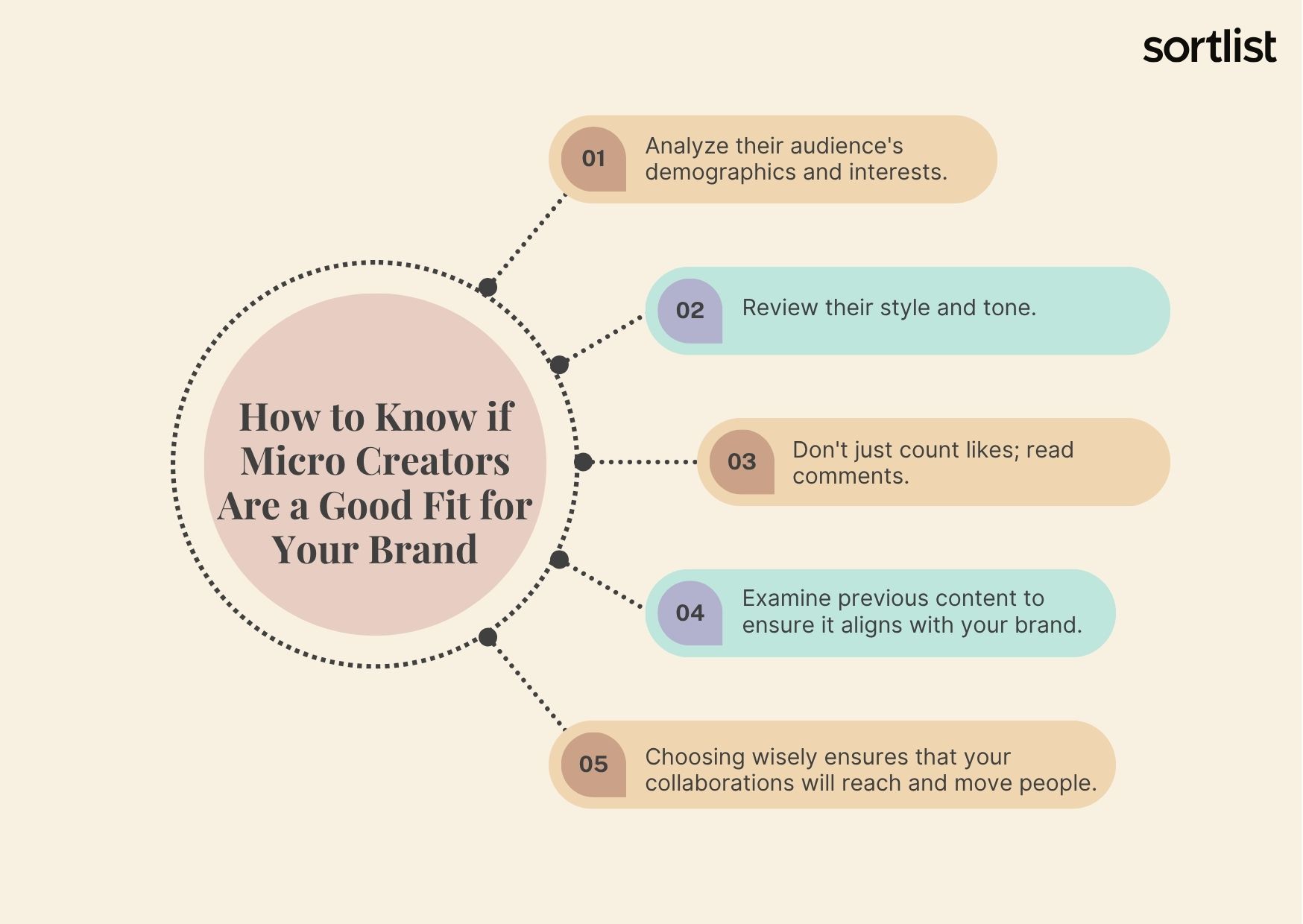
To effectively evaluate fit, you want to:
- Analyze their audience’s demographics, interests, and regions. The closer their audience overlaps with your target customers, the stronger your campaign’s impact will be.
- Review their style and tone. Do they align with your brand voice? Authenticity works best when the collaboration feels natural.
- Don’t just count likes; read comments. Meaningful, genuine interactions indicate real community trust.
- Examine previous content to ensure it aligns with your brand’s ethics and image.
- Ask for engagement metrics or past case studies to assess performance and authenticity before committing.
At Sortlist, however, we firmly believe that finding the right micro creator is about more than numbers; it’s about shared values and aligned purpose. When your brand’s mission resonates with a creator’s personal voice, audiences can feel the connection. This emotional authenticity translates into higher engagement, stronger trust, and long-term loyalty.
Choosing wisely ensures that your collaborations will reach and move people.
How to Start Working with Micro Influencer Campaigns
Partnering with micro-creators has the power to transform the way your brand connects with audiences, but only if you approach collaboration strategically. Successful partnerships are based on shared values, creative freedom, and clear objectives.
To help you get off to a good start, here’s a step-by-step roadmap:
Step 1: Define Your Audience and Objectives
Before reaching out to any creator, clearly define who you want to reach and what you want to achieve. Are you focused on brand awareness, conversions, or community growth? Knowing your KPIs will help you identify creators whose audiences and content align with your goals.
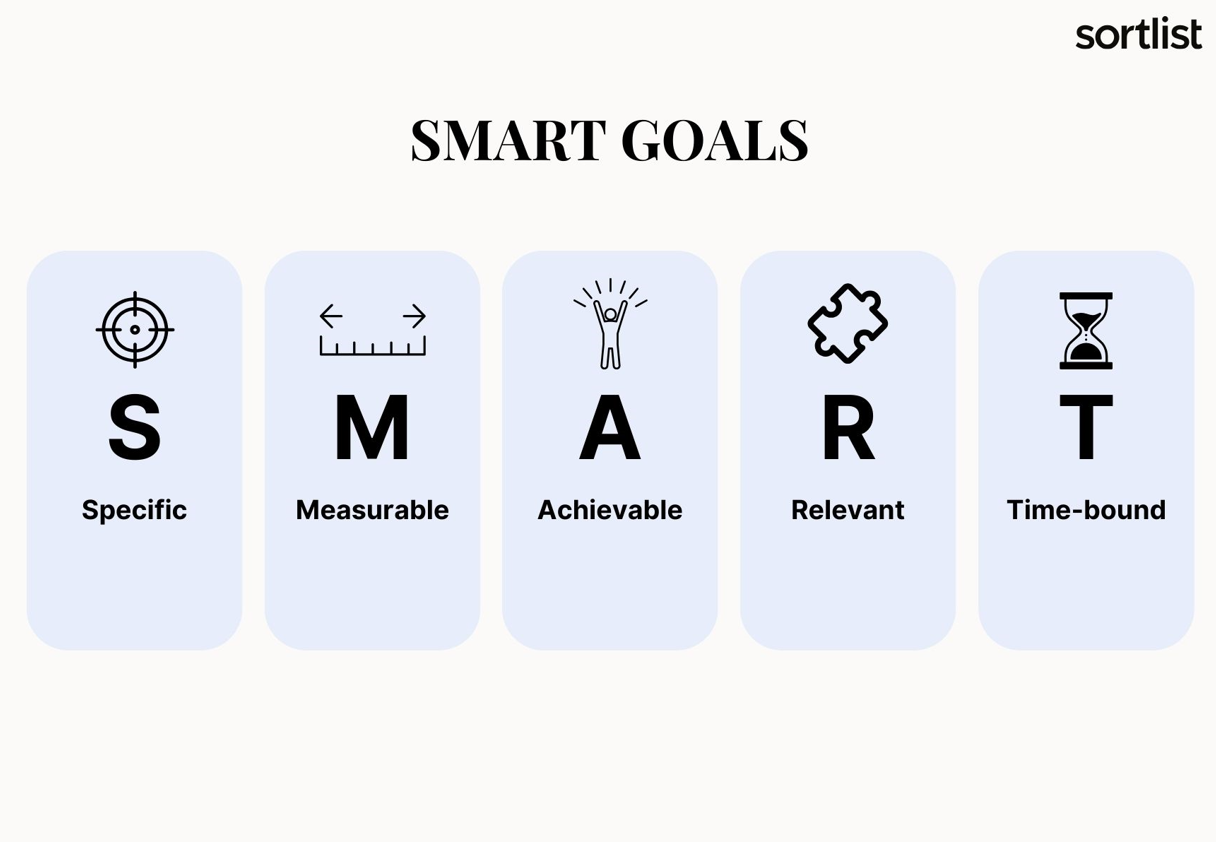
Many brands skip this step and end up with mismatched partnerships. Avoid becoming part of that statistic. Start by outlining measurable objectives, such as engagement rates, website visits, or product trials, and build from there.
Step 2: Find Micro Influencers For Your Niche
Look for micro-creators who naturally embody your brand’s tone and values. Study their content, engagement style, and comment sections. Do they already discuss similar products or topics? Does their audience trust them?
Platforms like Sortlist make this process simple by allowing you to partner with experienced influencer marketing agencies that can help you find the perfect creators for your brand and target audience.
Step 3: Reach Out With authenticity
Micro creators value genuine partnerships, not generic pitches. As you start contacting them, keep the following in mind:
- Personalize your message and mention why you admire their work.
- Clearly state how the collaboration could benefit both parties.
- Be transparent about campaign goals, deliverables, and timelines.
- Keep in mind that a friendly, human-first approach sets the tone for a stronger long-term relationship.
Step 4: Offer Creative Freedom for Influencer Content
Remember, micro creators know their audience best. Instead of scripting every detail, trust their creative instincts. Provide brand guidelines instead of word-for-word instructions. When creators can express your message authentically, the content feels more organic and performs better.
Step 5: Establish Clear Collaboration Terms
As you get ready to work with micro influencers, you need to set expectations regarding deadlines, the number of posts, social media platforms, content formats (e.g., Reels, Stories, TikToks), and compensation. Even with smaller budgets, professionalism matters. A simple collaboration brief ensures clarity for both parties. Partnering with an influencer marketing agency will make this process much smoother. for both parties.
Step 6: Track, Measure, and Learn
Once the campaign is live, dedicate time and resources to monitoring metrics that go beyond vanity numbers. Use these insights to refine future collaborations and identify the creators who deliver the best ROI. We highly recommend that you focus on:
- Engagement quality: Comments and shares that indicate genuine interest
- Click-through rates: Traffic to your website or landing pages
- Conversion tracking: Purchases, signups, or brand mentions
Step 7: Build Long-Term Relationships
The most impactful results come from ongoing partnerships, not one-off posts. Long-term collaborations allow creators to naturally tell your brand story over time, increasing trust and recognition among their followers.
How to Find Micro Influencers for Your Brand
Recognizing the value of micro-creators is one thing, but finding the right ones is where success begins. With thousands of micro influencers posting on social media, it’s essential to take a structured approach to discovery.
Here’s how to identify micro influencers who fit your brand perfectly:
- Outline the audience you’d like to reach: Define your target audience’s demographics, interests, and behaviors. The ideal micro-creator already has followers who match your target audience.
- Set goals: Ask yourself: What am I trying to achieve through this partnership? Whether your goal is to increase brand awareness, generate sales, or reach a new demographic, it is critical to define success upfront.
- Map out your influencer program strategy: Before reaching out to smaller influencers, outline your campaign structure. If you’d like their full creative input, you can co-create ideas with them, but having a foundation helps. Include core messaging, such as key value propositions, calls to action, and brand tone; visual guidelines, such as colors, styles, and formats to use or avoid; and content themes that reinforce your brand identity.
- Create an influencer profile: Similar to building a buyer persona, an influencer profile defines the characteristics of your ideal partner. Think of it as your “influencer wish list.” Your profile might include the following:Audience demographics: Audience size, engagement level, and authenticity (watch out for fake followers).Content type and tone: What styles align best with your brand? Examples include user-generated content (UGC), tutorials, reviews, and lifestyle posts.Expertise and values: Whether the creator’s expertise and ethics align with your brand’s mission.Budget range: Your target compensation range for posts or campaigns.
To read more on how to find the right influencers for your brand, we recommend our blog post “How to Find Micro-Influencers? Using Smaller Social Media Followings to Reach Niche Audiences.”
Tips for Successful Micro Influencer Marketing Campaigns
As mentioned earlier, building successful partnerships with micro-creators requires more than finding the right influencers. It’s also about nurturing relationships, respecting creative freedom, and tracking what truly drives impact. The following best practices, drawn from top-performing influencer campaigns, can help your brand transform authentic collaborations into measurable growth.
- Prioritize long-term partnerships: Sustained collaborations build deeper trust. When followers see a creator consistently engaging with your brand, the creator’s authenticity strengthens, and conversions increase.
- Repurpose UGC (user-generated content): Content created by micro-creators can be repurposed for ads, websites, or email marketing campaigns. This saves production costs and keeps your brand voice consistent and relatable.
- Diversify creators across niches and regions: Don’t limit yourself to one type of creator or audience. Working with multiple micro creators from different niches or regions broadens your reach and boosts your credibility across varied communities.
- Track qualitative metrics, not just numbers: Focus on engagement quality beyond impressions or likes, such as meaningful audience engagement, comments, sentiment, and brand mentions that indicate trust and genuine influence.
- Encourage storytelling, not selling: Give creators the freedom to naturally incorporate your brand into their personal style and narratives. Story-driven content resonates far more than overt promotion.
In other words, the best-performing micro influencer collabs are built on authenticity, data insights, and collaboration. Brands that follow these principles generate buzz and build lasting trust.
Common Mistakes to Avoid When Working with Micro Creators
Even the most experienced marketers can make small mistakes when managing micro-creator collaborations. Here’s what to watch out for and how to quickly resolve any issues.
- Micromanaging content can strip away the authenticity that makes micro-creators effective. Instead, share your brand’s message and goals, and then allow the creators to express them in their own voice. Audiences trust their originality and tone the most.
- A large following doesn’t guarantee meaningful influence. Focus on engagement quality, comment sentiment, and audience relevance instead. Working with influencer marketing agencies can help you identify creators with a genuine community impact in the social media landscape.
- Running influencer campaigns without tracking results is like flying blind. Monitor engagement, conversions, and brand sentiment to see what’s driving success, and use those insights to refine your next collaboration.
- Short-term influencer partnerships rarely build long-term trust. Establish ongoing relationships with your top-performing micro-creators so their audiences become familiar with your brand over time.
- Unclear goals and deadlines can quickly derail campaigns. Set clear expectations about deliverables, timelines, and compensation upfront, and maintain transparent communication throughout the partnership.
- Partnering with creators who don’t share your brand’s values or audience focus will lead to misalignment. Before you start reaching out to influencers, create a profile that defines the ideal tone, content style, and audience demographics you’re looking for.
Conclusion
The rise of micro-creators marks a turning point in digital marketing, defined by authenticity, community, and human connection. Rather than merely promoting products, these creators build stories around them, making brands part of everyday conversations.
By selecting the right micro creators, establishing clear objectives, and cultivating relationships based on trust, your brand can connect with audiences in a more meaningful way than ever before.
Whether you’re just starting or are ready to scale your influencer marketing strategy, Sortlist’s top influencer marketing agencies can help you find high-performing micro creators and agencies to make your campaigns more effective, affordable, and authentic.


