

Influencer Marketing Laws & Contracts: Everything You Need to Know to Stay Compliant

According to HubSpot, 50% of marketers are using influencer marketing. A trend that is not going away anytime soon, and that has created a new challenge: how to regulate it and prevent fraud or deception in the marketplace. The governments of the United States and the United Kingdom have taken the lead in developing and enforcing influencer marketing laws.
This blog post serves as a reference so that you have a clear understanding of what is expected of brands and influencers from a legal standpoint, but it does not constitute legal advice. We strongly recommend that you consult your legal team or influencer marketing agency for guidance on how to stay compliant.
Failure to comply can result in penalties and fines that can damage your finances and reputation.
US Influencer Marketing Rules and Regulations
Given the proliferation of influencer marketing campaigns, the United States has taken the lead in establishing strict controls to protect consumers from unfair and unethical practices.
⚠️If you’re planning to launch an influencer marketing campaign in the United States, it’s also important to check any state or local regulations. States such as Illinois are working to include regulations and guidelines specifically related to children in the influencer marketing world.
Federal Trade Commission (FTC Guidelines): Disclosure of Paid and Gifted Influencer Marketing Content
The Federal Trade Commission (FTC) is probably the most important guideline, as it enforces antitrust and consumer protection laws and requires companies to provide certain information when running influencer marketing campaigns.
⚠️It states that all sponsored or paid endorsements shared in any form of media (videos, blogs, social media, etc.) must be labeled.
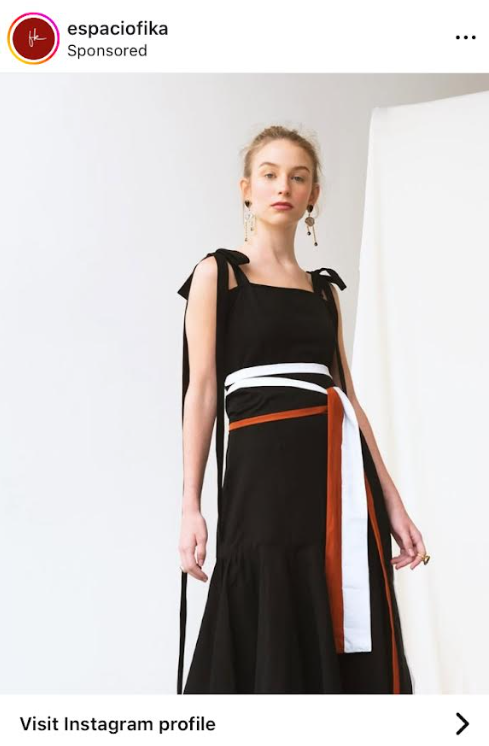
This can be done by adding hashtags (#ad or #sponsored) or by stating something like “In paid partnership with…”.
Alcohol and Tobacco Tax and Trade Bureau: Mandatory Disclosures for Influencer Marketing Content Promoting Alcoholic Beverages
The U.S. Alcohol and Tobacco Tax and Trade Bureau (TTB) has also established regulations for content that promotes alcoholic beverages in social media and influencer marketing.
In addition to identifying when a post or content is sponsored by a specific brand, it states that
- Advertisers must clearly and conspicuously disclose important information about their products, such as brand names and alcohol content, in social posts.
- Third-party content that is “liked” or reposted by an industry member must itself comply with TTB regulations.
- ⚠️Companies are responsible for ensuring that influencers and third-party content comply with these rules.
- Use of multimedia platforms (websites, blogs, social media, microblogs, mobile apps, etc.) requires that the platform itself be TTB compliant.
- ⚠️All influencer posts must include required promotional disclosures, which can be accomplished by providing a link.
UK Influencer Marketing Laws and Regulations
Back in 2021, the UK’s Advertising Standards Authority conducted an analysis of more than 24,000 Instagram Stories, posts, IGTV and reels from 122 UK-based influencers. The result? Nearly 1 in 4 were considered promotional posts about products, services or brands. However, two-thirds were not clearly identified as influencer marketing content.
Leading the UK’s Competition and Markets Authority (CMA) in creating and enforcing the CAP Code, with the overall aim of protecting customers and providing clear, easy-to-understand information.
Competition and Markets Authority (CMA): Disclosure of Paid and Gifted Influencer Marketing Content
The CAP Code states that any influencer communication must:
- ⚠️Be clearly identified and labeled as an advertisement, using clear and understandable language. For example #ad #advert.
- Should not falsely state or imply that the marketer is acting as a consumer.
- Should not mislead consumers about the content being promoted.
Other Laws and Regulations Influencers Need to Know
In addition, there are other regulations and laws not directly related to influencer marketing that every company and influencer should be aware of.
Intellectual Property
📝Protects the rights of creators and owners of inventions, writings, music, designs, and other works, including content created for an influencer marketing campaign.
Copyright
👩💻Protects original works such as books, music, movies, and software. In influencer marketing, this means that the influencer is the legal owner of all materials created for a brand or campaign, unless a specific clause in the contract states otherwise.
Fair Use
✅A legal exception that allows limited use of copyrighted material without the copyright owner’s permission, specifically for criticism, comment, news reporting, teaching, parody, research, as long as it is properly disclosed and legally obtained.
Third-party content includes images of people, products, places, and any other content that you do not own.
Fair Advertising
📌Requires that advertisements be truthful, honest and not deceptive. This law applies to all types of media, including print, television, radio, online and influencer marketing.
What To Include in an Influencer Marketing Program to Stay Compliant
As you prepare for your next influencer marketing campaign, keep in mind that laws and regulations are constantly evolving. Check with your legal team or influencer marketing agency to understand the laws that apply to influencer marketing.
In addition, we strongly recommend that you follow these tips:
1️⃣Create an influencer contract for each campaign and influencer you work with. Make sure it includes:
- Legal names and addresses for both parties.
- The purpose of the contract.
- Effective date and length of contract.
- Types of content the influencer will create (posts, videos, etc.).
- Number of posts the influencer will create.
- Social media platforms that the influencer will use.
- Specific hashtags and mentions the influencer will use.
- Deadlines for creating and publishing content.
- Compensation strategy.
- Detailed instructions on content style, including brand guidelines, tone, voice, style, messaging, etc.
- Whether or not the content should be pre-approved by the brand.
- Exclusivity clause.
- Intellectual property section outlining who owns the rights to the content created by the influencer.
- A clause in your influencer agreement that ensures the influencer complies with laws, regulations and industry guidelines, including disclosure requirements for sponsored content and endorsements.
2️⃣Create a brief for your influencers that includes applicable laws, regulations and industry guidelines. Be sure to include any required labels for sponsored content. For example, #ad #sponsored.
3️⃣Set up a meeting with your influencer and explain the influencer marketing laws they need to follow. You can frame this as a way to protect both your brand and their name.
4️⃣Create a checklist to help influencers ensure that every post they share on social media or other digital channels complies with the appropriate laws.
Conclusion
Influencer marketing laws are in place to protect your brand, your influencers, and most importantly, your consumers. Act now to ensure that every influencer campaign is compliant. Contact our influencer marketing agencies for assistance.


