8 Event Marketing Ideas to Increase Brand Visibility

Let’s face it: We live in a world saturated with digital ads and algorithm-driven content. Today more than ever, people highly value brands that invest in well-crafted events and fill them with meaningful experiences and memorable moments. Live and hybrid events are still some of the most effective tools for building authentic connections and giving brands access to their audience’s time, attention, and emotions.
- 77% of marketers say events are the most effective marketing channel for their organizations.
- 93% of marketers using event-led growth said they are meeting their companies’ revenuegoals.
- 84% of marketers say events help their company stand out from the competition.
However, in 2025, expectations are at an all-time high. A simple event is no longer enough. Potential attendees demand personalization, interactivity, and immersive engagement. In other words, you, as a marketing professional, you must move beyond a generic event websites, basic booths, and generic banners.
In this article, we’ll explore the most impactful event marketing ideas for 2025, designed to educate and inspire.
Key Takeaways
- Events are top performers. They drive brand connection and revenue while standing out from the digital noise.
- Start marketing early. Use teasers, early-bird offers, and influencer buzz before the launch.
- Generic events won’t suffice. Audiences expect personalization, interaction, and immersive experiences.
- Create immersive brand moments. VR, themed environments, and sensory design create a lasting impact.
- Leverage AI for personalization. Smart agendas and tailored experiences boost satisfaction.
- Prioritize sustainability. Eco-conscious activations appeal to modern attendees who are driven by values.
- Consider influencer micro-events. These small, curated gatherings foster trust and strong engagement.
- Consider working with an event agency. Their expertise will help you stand out, avoid missteps, and deliver real results.
Pre-Launch Event Promotion Ideas to Build Buzz Early
Successful event marketing starts long before the doors open. In 2025, the most impactful events will use strategic pre-launch campaigns to generate interest, encourage early registration, and build anticipation within the community. Read on for some of the most effective pre-launch event marketing ideas to kickstart your promotional momentum.
Teaser Campaigns and Countdown Content
To pique your target audience’s curiosity, launch a series of teaser posts or videos across your marketing channels, include the event website. Short, mysterious clips, “save the date” countdowns, and limited visuals of speakers or the venue can act like movie trailers by offering just enough information to generate excitement without revealing everything. These posts create a sense of narrative and intrigue, building anticipation for launch day.
Early Bird Discounts and VIP Registration Tiers
Offer special registration incentives to those who register early. These incentives can include discounted pricing, exclusive access to networking lounges, or VIP meet-and-greets. Early-bird and tiered ticketing strategies help you quickly secure committed event attendees.
We highly recommend promoting these offers with urgency-based messaging. You can also limit availability to generate buzz and drive faster conversions between your audience members.
Event Ambassadors & Partner Amplification to Create Buzz
When your event is promoted by multiple trusted voices, your reach and credibility grow exponentially. To achieve this, leverage the audiences of your speakers, sponsors, and brand ambassadors by having them co-promote the event. Provide them with ready-made social graphics, email templates, and trackable registration links to the event website.
Interactive Waitlists or Pre-Registration Landing Pages
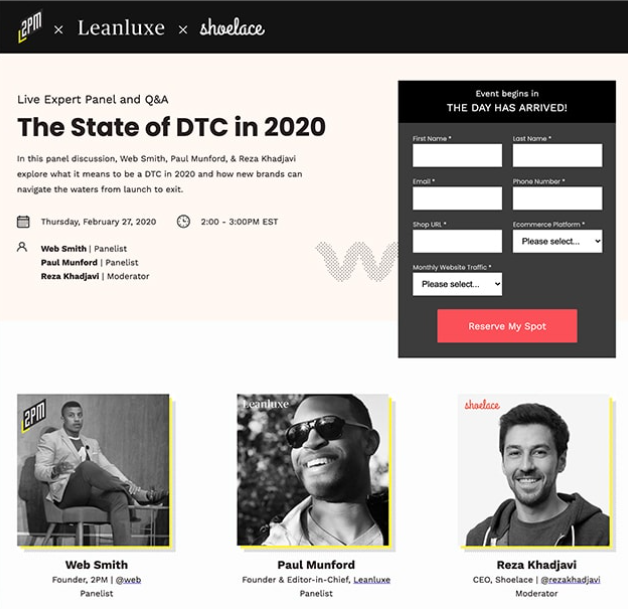
Instead of a static “Coming Soon” event website page, we encourage you to create an interactive landing page. There visitors will be able to join a waitlist, vote on topics or speakers, and sign up for exclusive first-access perks. This transforms passive interest into engagement. It also provides you with a segmented list of highly motivated leads to market to once event registration opens.
Top Event Marketing Ideas for 2025
By 2025, the most effective event marketing strategies will be those that deliver personalization, innovation, and impact. As audiences become more selective about how they spend their time, events must offer more than information; they must create experiences. The following are some of the most powerful event marketing ideas to help your brand stand out, build deeper connections, and drive real results.
Immersive Brand Experiences at Marketing Events
Immersive brand experiences allow event attendees to interact with your brand in meaningful and memorable ways, offering seamless transitions between the virtual and physical worlds. Examples include VR pop-ups, themed environments, and multi-sensory installations.
The key to success with these experiences is designing the activations around your brand’s story or product to make the experience engaging and relevant. For instance, if you have a wellness brand, you could create a guided meditation dome that reflects your brand’s core values. If you have a clothing brand, you could create a virtual showroom where customers can try on your latest designs.
These types of experiences significantly boost brand recall, foster emotional connections, and create memorable interactions. This leads to increased brand loyalty and revenue.
AI-Powered Personalization
AI is transforming event marketing by enabling real-time personalization on a large scale. With AI-powered event apps, you can offer custom event agendas, session recommendations, and networking suggestions tailored to each potential attendee’s interests and behavior. It’s like offering a Netflix-like experience at your event: highly curated and instantly relevant.
If you are hosting a conference, for example, you can use AI to curate personalized schedules and suggest relevant sessions and networking opportunities. If you are creating a large music festival, you can use AI to provide real-time, tailored answers and recommendations.
Adding this level of personalization to your next event will enhance the attendee experience, increase engagement and satisfaction, and, most importantly, improve brand loyalty and retention.
Sustainability-Focused Activations
As a marketer, you need to understand that sustainability is not just a trend; it’s a standard that event attendees now expect. As a forward-thinking brand, you should create event activations with the environment in mind by incorporating zero-waste practices, reusable materials, and locally sourced resources.
Whether you are hosting a fashion event, music festival, large industry conference, or product launch, there are many ways to incorporate sustainability. One effective tactic is setting up a “choose-your-own-swag” station where attendees select only the eco-friendly items they’ll use. This approach reduces waste and aligns your brand with values that matter to modern consumers, particularly Millennials and Gen Z.
Influencer-Led Micro Events
Instead of allocating your entire budget to one large event, consider replicating a strategy that many brands are using in 2025. Launching a series of smaller, influencer-led gatherings. These micro-events offer intimacy, exclusivity, and a strong sense of community, especially when hosted by influencers who resonate authentically with your target audience. You can expect even better results if you invite your influencers to co-create the event’s content and format. This helps ensure authenticity and alignment.
For example, if you have a wellness brand, you could host a small retreat where you invite carefully chosen influencers to lead the experience. If you are launching a new product, you could offer a factory tour led by influencers to a small group of VIP customers.
One benefit of this approach to event marketing is that these events generate valuable user-generated content. They also often lead to higher engagement and conversions due to the trust built between influencers and their followers.
Conclusion
As you can see, event marketing is no longer just about presence; it’s about experience. No matter what type of event you’re planning, a product launch, a virtual event, a B2B summit, in person events, or an immersive brand activation, the ideas above will help you create a fresh, impactful, and memorable strategy.
However, executing these experiences requires expertise in event promotion, event marketing, and influencer marketing. As an event organizer, partnering with an experienced event marketing agency can help you develop creative strategies, avoid costly mistakes, and achieve measurable results.
Are you ready to turn your future events into a brand-defining moment?