


The Ultimate Business Webpage Design Guide: Strategies and Best Practices for High-Converting Sites

Last update: 17 April 2025 at 04:17 pm
From 200K to 1M in Just 6 Months
Emma’s website had traffic—but no sales. The challenge? A confusing design, weak CTAs, and poor navigation.
She transformed everything: a clean layout, bold CTAs, and a seamless user experience.
The result? Sales shot up 5X.
A great website isn’t just pretty—it converts.
In today’s digital era, business web page design is key to capturing potential customers from the start.
Your professional website must stand out, reflect strong branding, and guide visitors toward action. With the right design elements, color palette, and layout, you create an engaging, sales-driven experience.
This blog covers how business website templates help attract and retain potential clients, especially for small businesses.
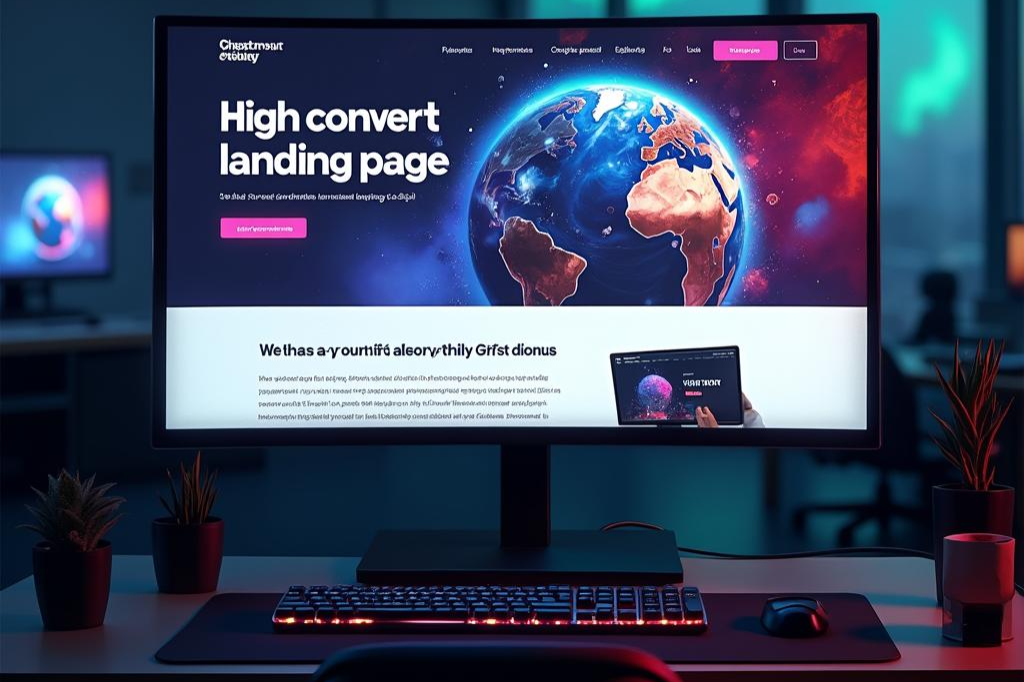
Balancing aesthetics and performance creates a fast, responsive site that engages customers.
Let’s explore how business web page design can elevate your brand and set you apart.
1. What Is Business Web Page Design?
Business web page design goes beyond selecting fonts and a pleasing color palette.
It encompasses all the design and structural choices that establish branding, highlight your services, and provide a seamless user experience on any device.
Whether you’re serving a global community or offering specialized products for small businesses, a carefully organized website design clarifies your offerings and builds trust.
Key aspects of a strong business web page design include:
- Consistent Style: Cohesive visuals and messaging that reinforce your company’s identity.
- Intuitive Layout: Straightforward navigation and well-placed elements that help visitors find essential details quickly.
- Responsive Frameworks: A responsive approach ensures your site fits every screen, from mobile to desktop.
When these components align, your website design gives people confidence that your brand has the tools they need, increasing the likelihood of a purchase down the road.
2. Why Is Business Web Page Design Important?
2.1. First Impressions Matter
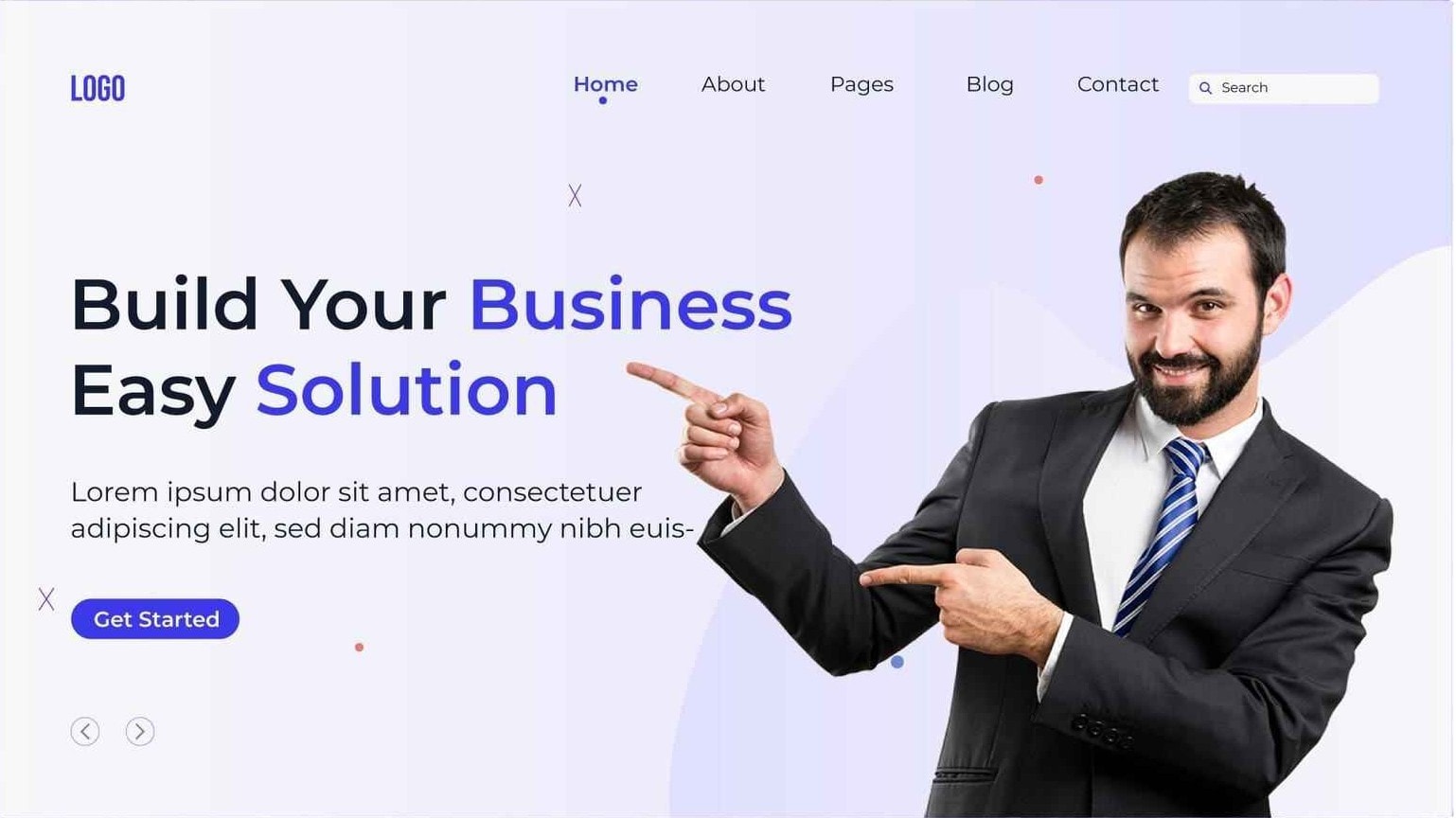
A carefully crafted landing page serves as a key first interaction with visitors.
Research indicates people form an opinion about your site within seconds, often judging credibility based on web design cues.
A cluttered interface can prompt skepticism, whereas a professional website with a clean, cohesive layout conveys trust and legitimacy.
2.2. The Power of User Experience
Even the most creative visuals will fall flat if visitors can’t seamlessly browse your site. User-focused web design keeps menus intuitive, details easy to find, and interactions logical.
By prioritizing a smooth flow, you guide potential clients toward what matters most—whether that’s a contact form, newsletter signup, or specific services—while minimizing frustration.
2.3. Conversions at the Core
Every aspect of your business website should drive a specific action.
From button placement to color palette choices, design decisions influence whether people sign up for a free trial, complete a purchase, or request consulting.
Well-placed CTAs and high quality photos can propel visitors from casual interest to meaningful engagement, especially when they clearly outline your value proposition.

2.4. SEO and Visibility
Even the best website design has limited impact if no one finds it.
Search engine optimization (SEO) is crucial for visibility, and factors like responsive formatting, quick loading times, and keyword-rich headings help search engines index your site correctly.
A robust SEO plan integrated into your web design strategy ensures you attract the right audience in a crowded market.
3. Key Elements of an Effective Business Web Page
3.1. Unified Branding & Messaging
Branding is the lifeblood of any online presence. Incorporate consistent logos, fonts, and wording across every page to reinforce recognition.
This alignment fosters credibility—especially important for small businesses looking to stand out.
A strong sense of branding also helps potential visitors recall your company and builds trust over time.
3.2. Intuitive Navigation
Poor navigation is one of the quickest ways to lose visitors.
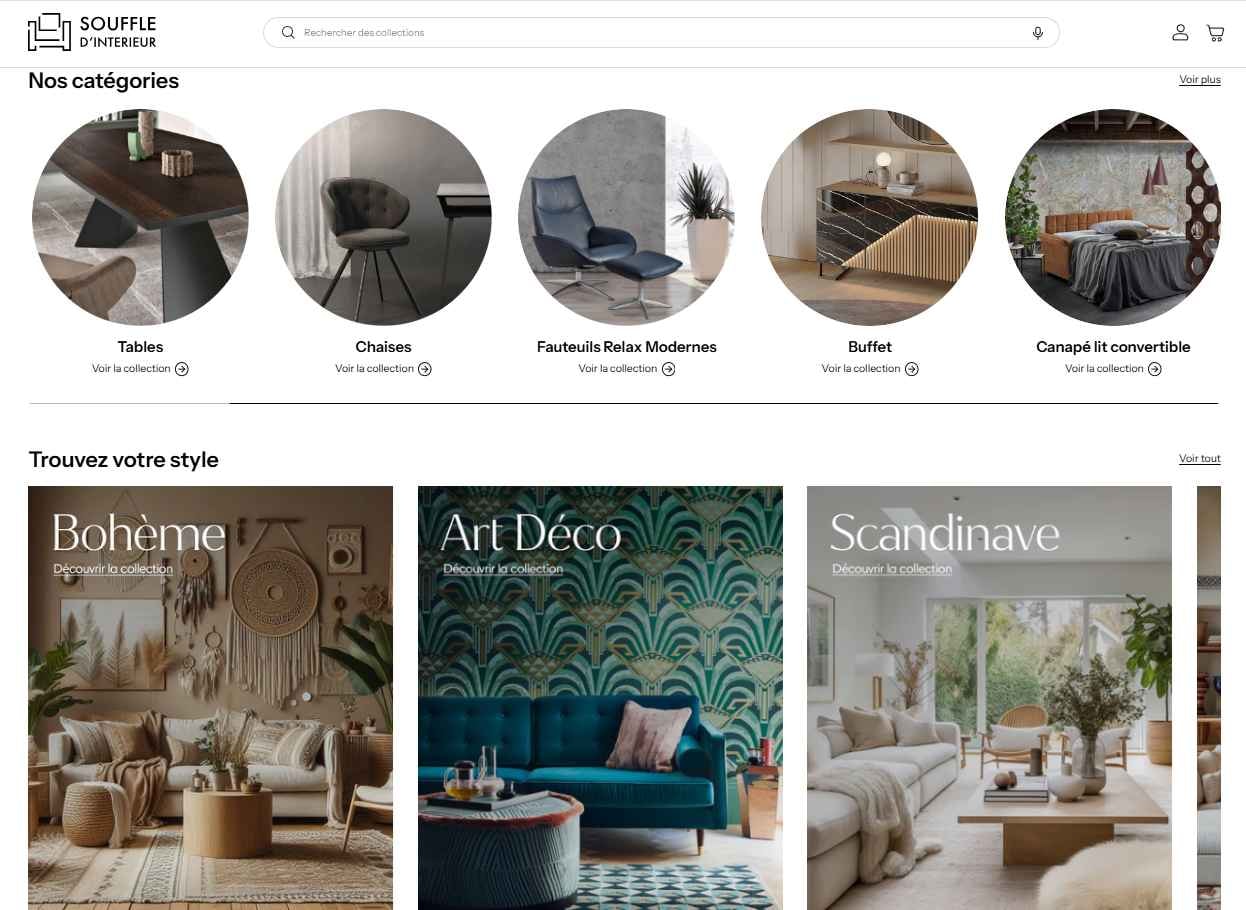
Label your menus clearly, and if you have multiple services, consider business website templates that simplify site architecture.
For a professional approach to web design and seamless navigation, Rhillane Marketing Agency offers expert solutions tailored to your business needs, including SEO optimization and 360° marketing to maximize your brand’s visibility and impact
The easier it is for users to browse and explore, the more likely they are to stay, convert, and become loyal customers.
3.3. Mobile Responsiveness
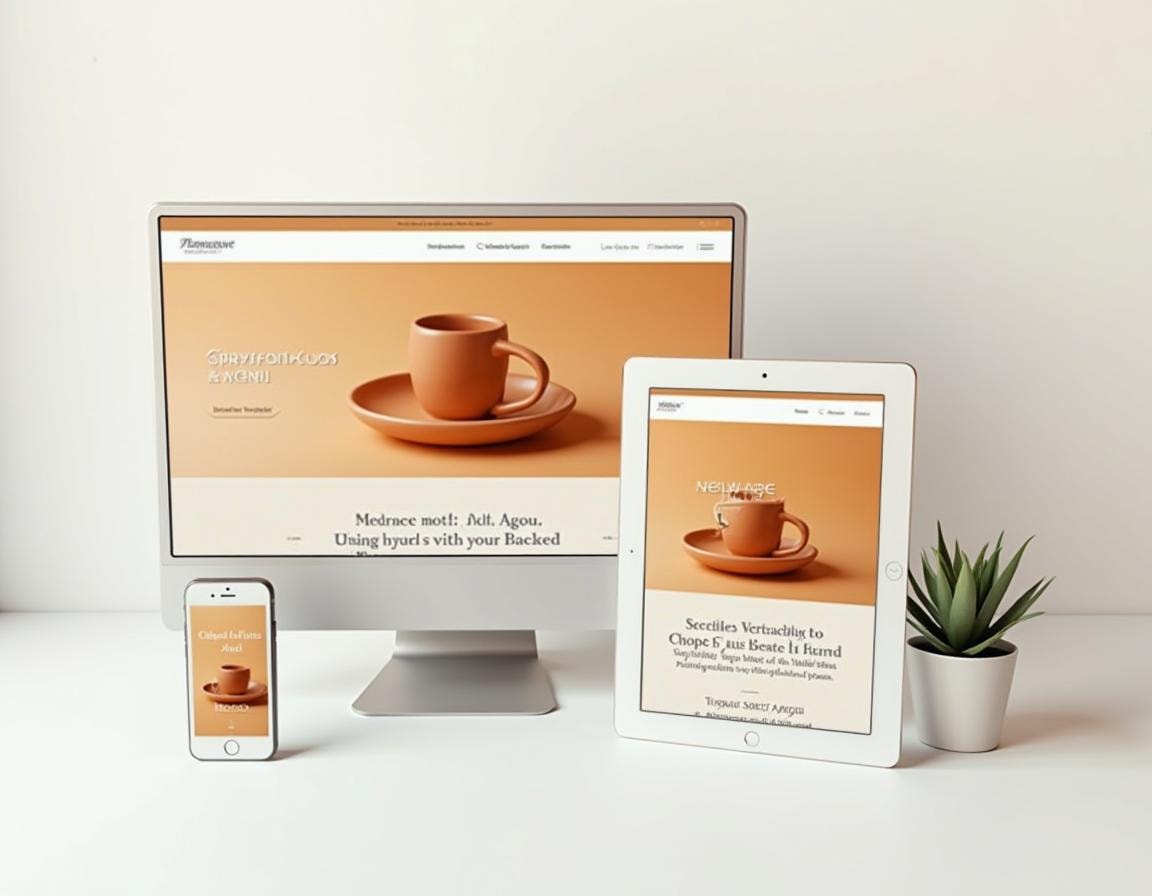
An ever-increasing portion of web traffic comes from mobile devices, so responsiveweb design is non-negotiable.
Your layout should adapt fluidly to different screens, ensuring no awkward scrolling or distorted images. By delivering a smooth mobile experience, you capture visitors wherever they are.
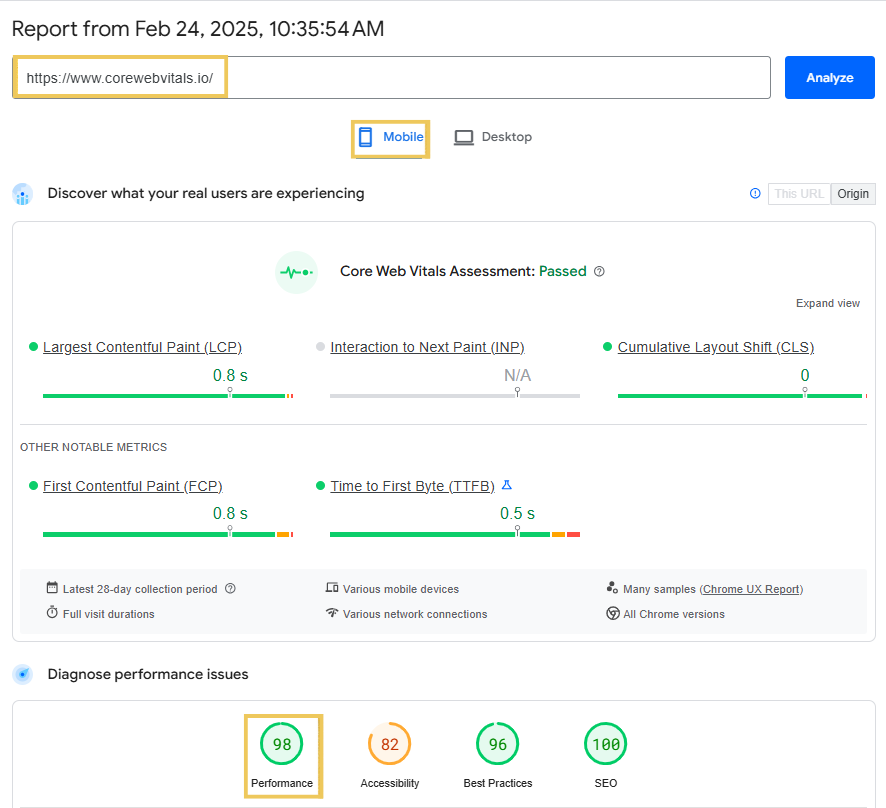
3.4. Fast Loading Speeds
Delayed page loads can derail engagement. Compress images, optimize your code, and invest in reliable hosting.
Not only do speedy pages improve user satisfaction, but they also influence your standing in search rankings—making page speed a key factor in overall success.
3.5. Strategic CTAs & Conversion Flows
Each page on your site should have a clear next step.
Whether you want visitors to request a quote or add an item to the cart, place CTAs strategically. For instance, a consultingcompany might highlight “Request a Consultation” near value statements.
Good web design ensures CTAs stand out through color contrast, positioning, and succinct text.
3.6. Engaging, SEO-Optimized Content
Concise, relevant information helps your visitors quickly grasp what you offer. Break text into scannable sections, use headers, and include bullet points.
Meanwhile, integrate relevant keywords naturally—like “website design” or “small businesses”—to boost search visibility. The balance between readability and SEO is a key element of effective content.
3.7. Trust Signals & Social Proof
People often need reassurance before taking action, especially online.
Testimonials, security badges, partner logos, and industry awards all serve as key trust signals. By showcasing real clients and credible endorsements, you calm fears and reinforce the idea that your company is legitimate and reliable.
4. Steps to Designing a High-Converting Business Website
4.1. Define Goals & Audience
Before you launch or publish anything, clarify your endgame.
Is your priority lead generation, direct purchase, or brand awareness? Pinpointing what you want from your site (and who you want on it) shapes your website design strategy.
This is especially crucial for small businesses working with limited resources.
4.2. Choose the Right Platform
If you’re not a web designer or comfortable with code, consider platforms like WordPress, Shopify, or Squarespace.
Many of these offer business website templates that simplify the setup process. If you need total control and advanced customizations, hiring a professional web designer might be the best approach to fully customize your theme.
4.3. Outline Layout & UI
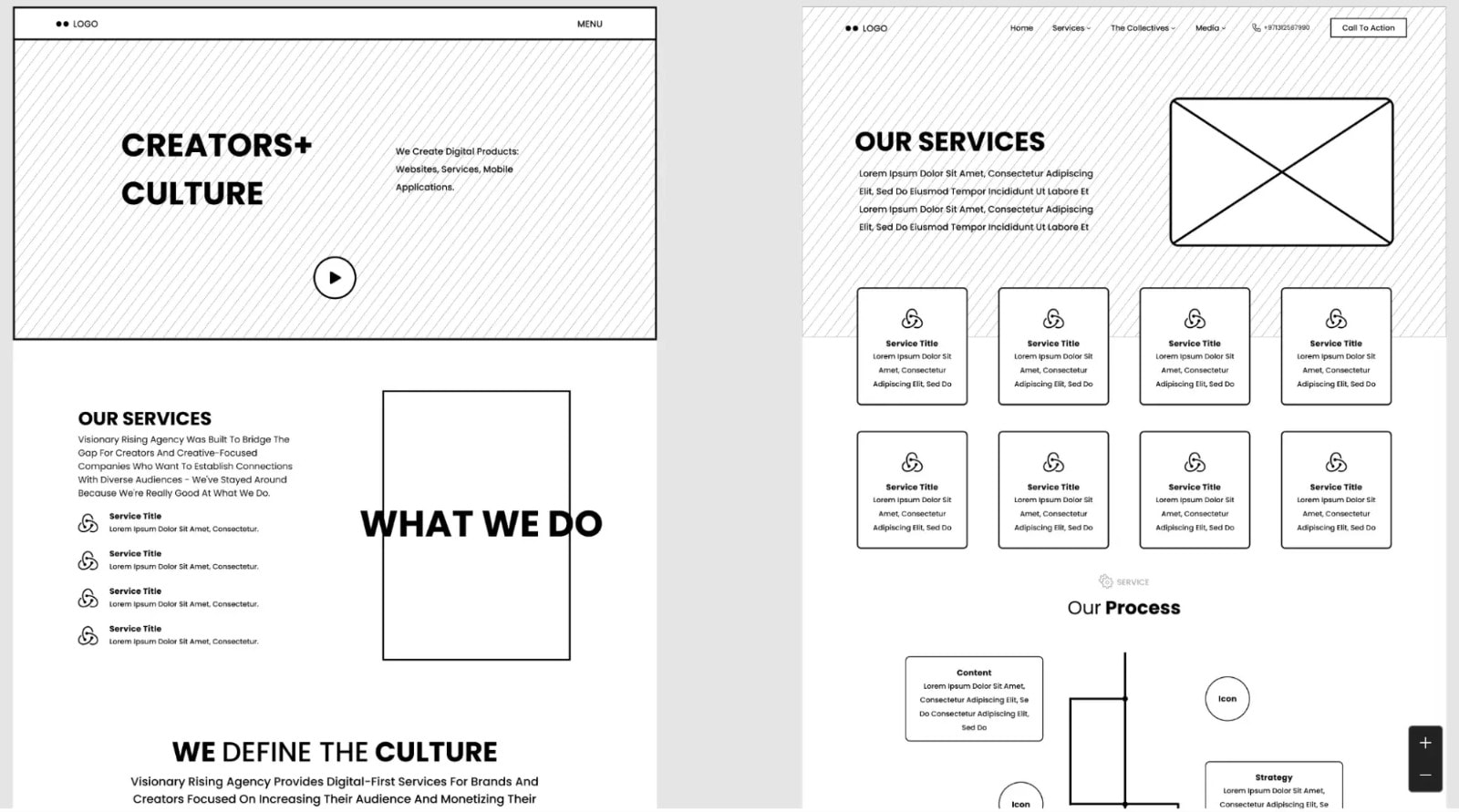
Map out where banners, images, text blocks, and CTAs will appear.
Keep a streamlined layout that feels natural. Strategic use of whitespace helps highlight important content without overwhelming the user.
A well-thought-out website design ensures visitors know exactly where to click next.
4.4. Implement SEO Best Practices
Build search optimization into your web design from the start. Use descriptive meta tags, relevant headings, and properly named URLs.
Compress images for speed. Regularly review data in Google Search Console to spot issues—catching them early prevents major headaches later.
4.5. Use High-Quality Visuals
Words alone don’t always suffice. Incorporating high quality photos or graphics aligned with your branding can capture attention faster.
If you’re on a budget, plenty of free business image libraries exist. Just remember to optimize each file size so you don’t slow loading times—website design should never sacrifice speed for visuals.
4.6. Test & Launch
Before your official launch, preview your site on various screens to ensure it’s fully responsive. Check links, forms, and menu flow.
Collect feedback from colleagues or customers to see if they can easily find key info. Polishing these final details can dramatically improve user satisfaction.
4.7. Monitor & Refine
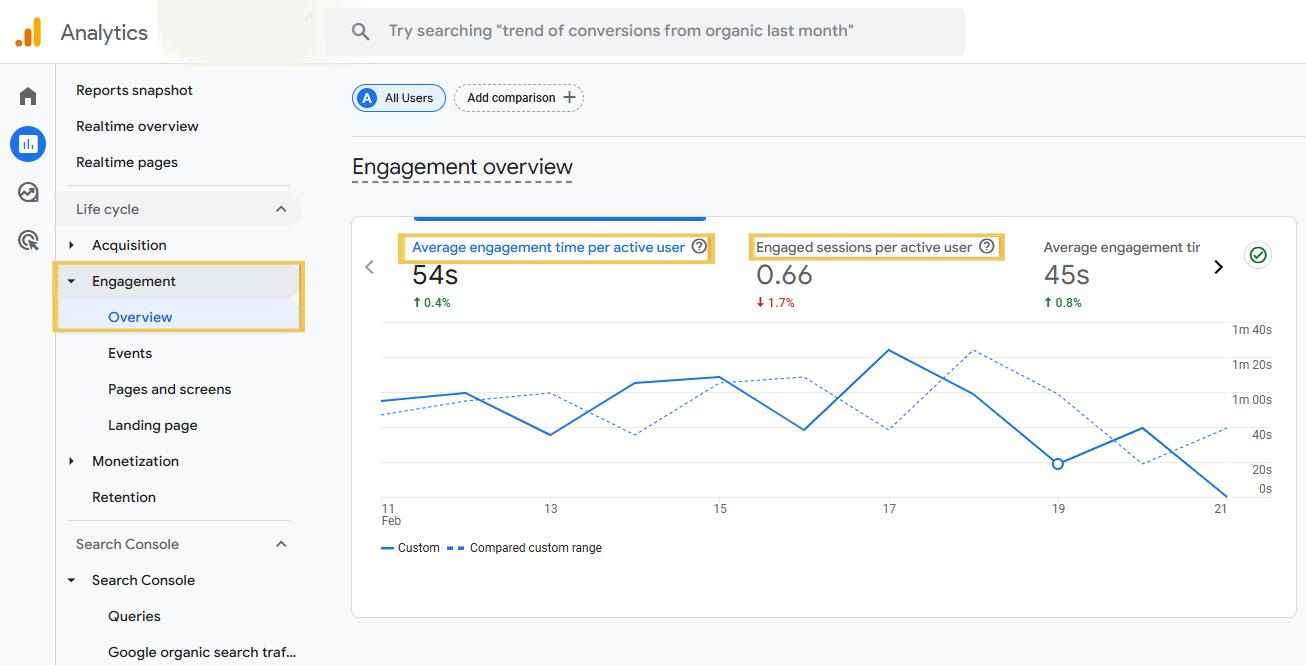
Post-launch, track metrics like bounce rate, average session duration, and conversions. Explore how people interact with your site—where they click, where they leave—and use that data to make iterative improvements.
As your company evolves, you may experiment with a new template or updated content to keep your business website relevant.
5. Common Mistakes to Avoid in Website Design
- Overcrowded Pages: Too many pop-ups, widgets, or ads drive visitors away.
- Ignoring Mobile: Failing to implement responsiveweb design alienates mobile users.
- Slow Load Times: Unoptimized images or bloated code lead to poor performance.
- Buried CTAs: Calls to action hidden among clutter lose impact.
- Inconsistent Branding: Mixed fonts or conflicting colors erode credibility.
6. Key Takeaways
- Business web page design is a cornerstone of online success, guiding visitors from curiosity to conversion.
- A cohesive website design with strong branding, fast load speeds, and responsive layouts builds trust.
- Effective web design means placing strategic CTAs and using well-structured content to target the right market segment.
- Search optimization is non-negotiable—embrace best practices early on to stay visible.
- Continual refinement keeps your site competitive as trends evolve and visitors’ needs change.
7. Conclusion
Crafting a high-performing business web page design demands a balance of aesthetics, functionality, and branding.
Whether using business website templates or working with a professional web designer, focus on responsive frameworks, intuitive layouts, and engaging content.
Your site is a living asset, not a one-time project—optimize, monitor performance, and iterate to ensure lasting success. This is especially crucial for small businesses looking to expand in a dynamic digital landscape.
About the contributor:
As the CEO and Founder of RHILLANE Marketing Digital, Ayoub leads a team specializing in technical services including SEO, Google Ads, marketing strategy, Meta Ads, lead generation, and e-commerce solutions. Additionally, as the Co-Founder of Pixagram Marketing, he contributes to graphic and web design, ensuring their clients receive comprehensive digital marketing and design services.


