

Brand Reputation Management: The Complete 2025 Guide

Last update: 21 January 2026 at 09:29 am
In 2025, a single online review, viral tweet, or TikTok post can shape how the world sees your brand. No matter if you’re a B2C e-commerce startup, hospitality brand, tech company, or professional services firm, your digital reputation directly influences how customers choose, trust, and remain loyal to you.
In fact, recent studies show that 93% of consumers read online reviews before making a purchase. Interestingly, 69% of consumers claim they’re willing to pay more for a brand with a positive online reputation. This means that every comment, rating, and social mention contributes to your bottom line.
This is where brand reputation management becomes essential. It’s not just about damage control after a negative online review. It’s about proactively building trust, controlling your narrative, and ensuring your brand consistently appears credible and customer-focused across every digital channel.
In this comprehensive guide for 2025, we’ll explore how brand reputation management works, the latest trends that shape consumer perception, and how you can take charge of your brand’s online image with proven online reputation management strategies and expert support from Sortlist.
Key Takeaways
- Reputation drives revenue: 93% of consumers read online reviews before purchasing, and 69% are willing to pay more for trusted brands.
- Digital-first monitoring is essential: Your reputation now lives on Google, social media, and review platforms, track it daily.
- Transparency builds trust: Responding openly to feedback and showing accountability strengthens brand credibility.
- Proactive management beats damage control: Consistent monitoring, positive content, and fast response prevent crises before they start.
What Is Brand Reputation Management?
As the name suggests, brand reputation management involves monitoring, influencing, and improving how your brand is perceived. Although the concept has existed for decades, its importance has grown dramatically with the rise of digital communication. Today, reputation is shaped not only by traditional media such as newspapers, radio, and TV, but also by websites, Google search results, social media platforms, blogs, and online forums, where public opinion spreads instantly.
In this always-connected environment, your brand’s image can change overnight. Social media conversations, AI-powered review platforms, and viral user-generated content have made reputation management faster, more complex, and more visible than ever.
To keep up, you and your business can now rely on specialized brand reputation management servicesthat focus exclusively on the digital world. These experts use advanced, AI-driven sentiment analysis to track millions of online mentions and deploy social listening tools to detect potential PR issues before they escalate. They also leverage authentic UGC and video reviews to build trust with modern consumers.
In short, brand reputation management in 2025 is about strategically shaping your brand narrative through proactive monitoring, real-time insights, and consistent engagement. Your reputation is no longer defined by what you say but by what others say about you and how effectively you manage those conversations.
Benefits of Having a Brand Reputation Management Strategy
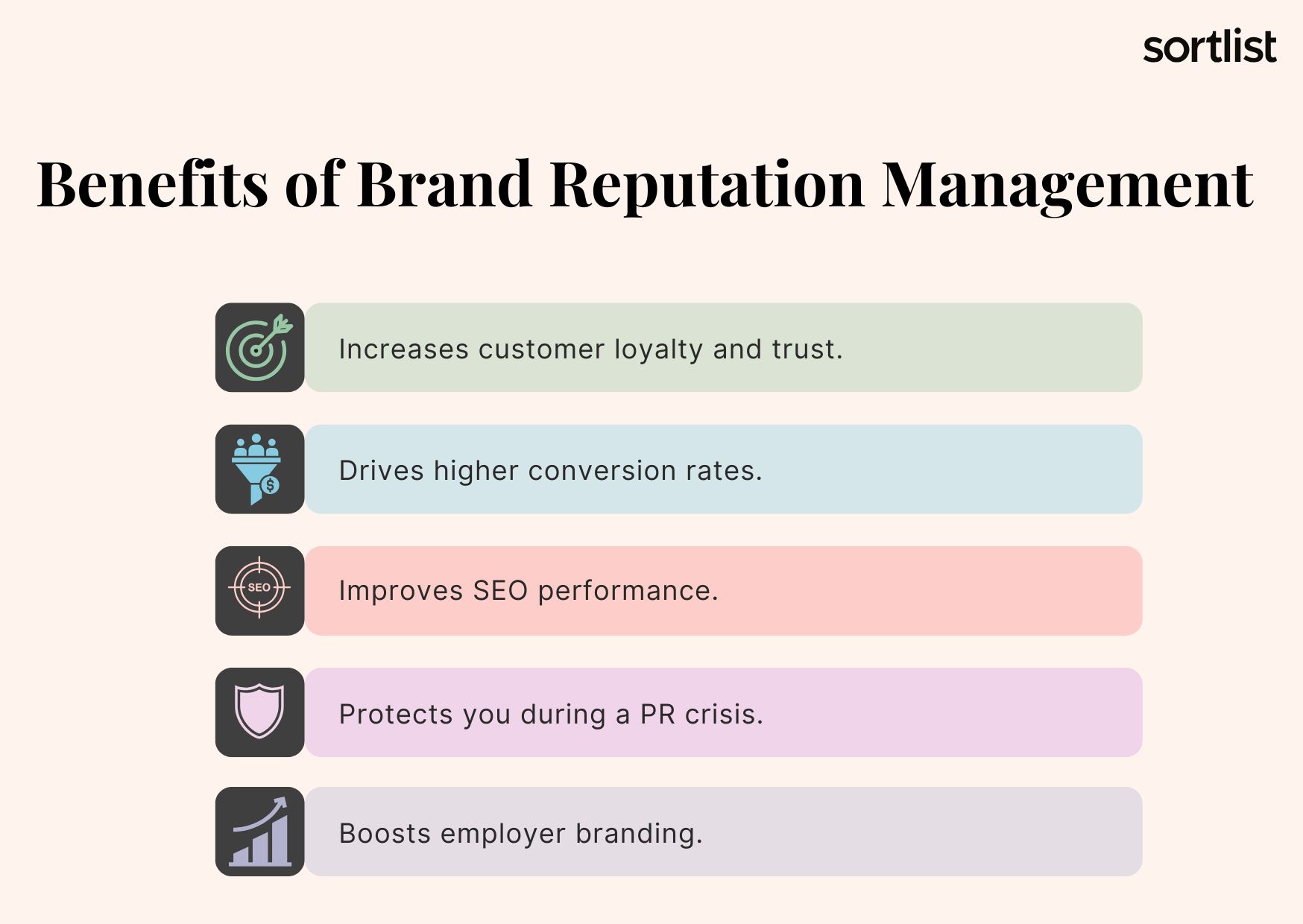
As you can see, investing in brand reputation management is one of the most powerful ways to drive long-term business growth in 2025. It’s not just a defensive strategy. Why?
- Increases customer loyalty and trust. Consumers are far more likely to purchase from a brand that consistently receives positive online reviews and responds openly to both negative and positive feedback.
- Drives higher conversion rates. A solid reputation gives customers the confidence to buy faster and with less hesitation.
- Improves SEO performance. Positive online mentions, backlinks, and brand searches help improve your visibility on Google.
- Protects you during a PR crisis. Brands with a foundation of trust recover faster from negative events.
- Boosts employer branding, attracting high-quality job candidates and reducing hiring costs.
The Core Pillars of Effective Brand Reputation Management
That said, it’s important to understand that building a strong, positive brand reputation doesn’t happen by accident. It’s the result of a clear strategy, consistent monitoring, and meaningful engagement. Next, we will guide you through the key pillars on which you should focus to effectively manage your brand’s reputation.
- Monitor your online presence. Track mentions of your brand on review sites, social media, and forums. Use tools like Google Alerts or dedicated reputation management platforms to stay informed.
- Respond to reviews promptly and professionally. Respond promptly and professionally to both positive and negative feedback. A thoughtful reply to a negative review can transform a critic into a loyal advocate.
- Work on content creation and SEO. Publish positive content, such as blog posts, public relations articles, and case studies, that highlight your brand’s values and achievements. Optimized content helps push negative search results down.
- Have a crisis management strategy. Have a clear plan for handling public backlash or viral criticism. Transparency and a quick response are key.
- Build trust through transparency. Be open about your policies, processes, and mistakes. In 2025, authenticity sells; customers value honesty over perfection.
In short, good reputation management makes you perform better across every business metric.
How to Get Started with Brand Reputation Management
Below is a practical, ready-to-run action plan to help you get started in brand reputation management. You can apply it today to start protecting and growing your brand. Each step is brief and tailored to the digital landscape of 2025.
Step 1: Assign Ownership (Day 0)
Select one person (or a small, cross-functional team) who will be responsible for reputation tasks and escalations. We highly recommend you choose either your marketing manager or your customer support lead.
Step 2: Map Where Your Brand’s Online Reputation Lives (Days 0–3)
Make a list of every place where there are brand mentions or people talk about you:
- Google Business Profile
- Yelp
- Industry review sites
- Social media platforms such as Facebook, Instagram, X, and LinkedIn.
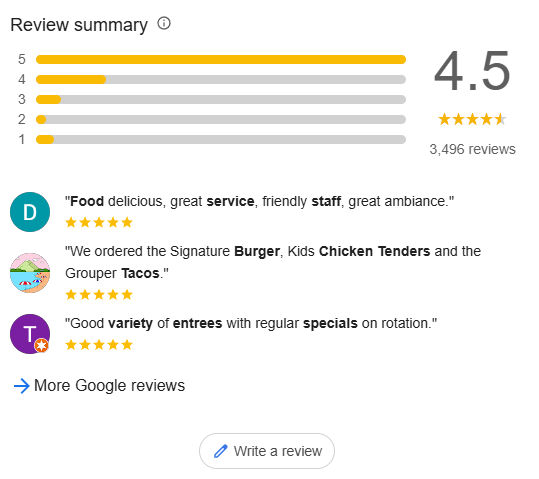
Don’t forget to include forums, Reddit, major blogs, and partner sites.
Step 3: Set Up Monitoring and Alerts (Days 1–7)
Activate real-time alerts and a dashboard to capture:
- Brand name and common misspellings
- Product names
- Executive names
- Campaign hashtags and domain mentions.
For this, we recommend you use a social listening/reputation tool (for example, SproutSocial, Brand24, or BuzzSumo) and Google Alerts.
Step 4: Run a 360° Audit (Days 3–14)
Collect three months of data on reviews, social sentiment, and press, and work on identifying:
- Top recurring complaints
- Most praised features
- Search results that need ranking attention (pages with negative feedback that need to be pushed down).
For businesses looking to enhance their reputation, partnering with a marketing agency in Japan can provide valuable insights and tailored strategies.
Step 5: Create your Response Playbook (Days 7–14)
Create personalized reply templates for positive reviews (thanking them and encouraging user-generated content (UGC)), neutral reviews (requesting clarification and offering help), and, most importantly, for negative reviews (apologizing, explaining remediation steps, and providing an offline contact). It’s important to include escalation criteria for legal, safety, and virality issues.
For example, a template for negative reviews could be something like:
Hi [Name]. I’m sorry you had this experience. At [Company Name], that’s not what we aim for. Please DM us or email support@yourdomain.com with your order number so we can resolve the issue. Thank you for bringing this to our attention. We are here to help you. [Name/Role]
As you work on these templates, it’s important that you always keep in mind that, according to Forbes, 88% of consumers would use a business that replies to all of its reviews.
Step 6: Triage & Remediate (Day 7-ongoing)
First, respond to the items with the highest impact, or in other words, the platforms with the most visibility or posts nearing virality. But, most importantly, you need to dedicate time and resources to fixing root causes internally (for example, product issues and service gaps) and then publicly communicate the fixes.
Step 7: Proactively Publish Positive Content (Weeks 2–8)
Create SEO-friendly content on your website that highlights your strengths. These can be case studies, satisfied customer stories, FAQs, knowledge base pages, and thought leadership articles that present your brand in a positive light.
Take the time and allocate the necessary resources to optimize these pages and outrank negative results in search. You can use our article “The Ultimate Guide to Google SEO” to create content and make it rank highly in organic search engine results pages. Remember, the first result in Google gets 27.6% of all clicks
Step 8: Activate Advocacy and UGC (Weeks 3–12).
You want to encourage satisfied users to leave customer feedback, reviews, share testimonials, and create short video reviews. In the end, 85% of consumers trust online reviews as much as personal recommendations. Make this process easy for your clients; you can work with one-click review links, post-purchase calls to action (CTAs), and customer campaigns.
The outcome will be a steady stream of authentic, positive signals.
Step 9: Build a Crisis Response Plan (By week 4)
Even the best-managed brands face unexpected challenges, such as a viral complaint, a product issue, or negative press. A crisis response plan ensures that your team will react swiftly, consistently, and calmly when reputation risks arise.
Your plan should clearly define potential risk scenarios and assign roles and responsibilities to the PR, customer service, and legal teams. It should also include pre-approved holding statements that can be adapted for a rapid response. The plan must also outline internal communication protocols to ensure that information flows smoothly and detail how your team will monitor sentiment and misinformation in real time.
Once that’s done, schedule regular crisis simulations to ensure everyone is prepared. A clear, tested plan enables your brand to respond quickly, maintain credibility, and emerge stronger from any PR challenge.
Step 10: Measure and Report (Monthly)
Track online reputation KPIs and report them consistently to stakeholders:
- Average review rating (by platform)
- Volume of positive vs negative mentions
- Brand sentiment score trend (if available)
- Search visibility for priority terms
- Response time to reviews/messages
Step 11: Iterate (Quarterly)
Use audit findings to update your online reputation management processes. This can take the shape of refining templates, adding new monitoring channels, or changing escalation thresholds.
Step 12: Consider Expert Help (Anytime)
If the volume, complexity, or risk is high (e.g., if you are a multinational brand, operate in a regulated industry, or experience frequent crises), you might want to consider hiring specialized brand reputation management agencies that focus on the online world. At Sortlist we have over 100 reputation management companies that are ready to help you build a strong brand reputation and provide excellent customer service.
Common Mistakes to Avoid in Brand Reputation Management for Business Success
All of this sounds exciting, but it’s not a foolproof system. Even experienced businesses can damage their positive brand image through small, costly mistakes. Below is a list of the most common pitfalls to avoid when managing your online reputation in 2025:
- Ignoring feedback makes your brand appear unresponsive. Reply to all reviews within 24–48 hours to show that you care.
- Deleting negative comments undermines transparency. Address issues openly and demonstrate your commitment to improvement.
- Inconsistent toneconfuses customers across channels. Maintain a unified brand voice across all communications.
- Responding defensively escalates conflicts publicly. Stay calm, acknowledge concerns, and focus on resolving the problem.
- Failing to monitor regularly lets small issues spiral into crises. Use real-time alerts and monitoring tools to respond quickly.
Tools & Software for Brand Reputation Management in 2025
To help you get off to a good start, here is a quick review of some of the top-rated brand reputation management tools for 2025. Each of these tools can help you track sentiment, collect reviews, and respond faster.
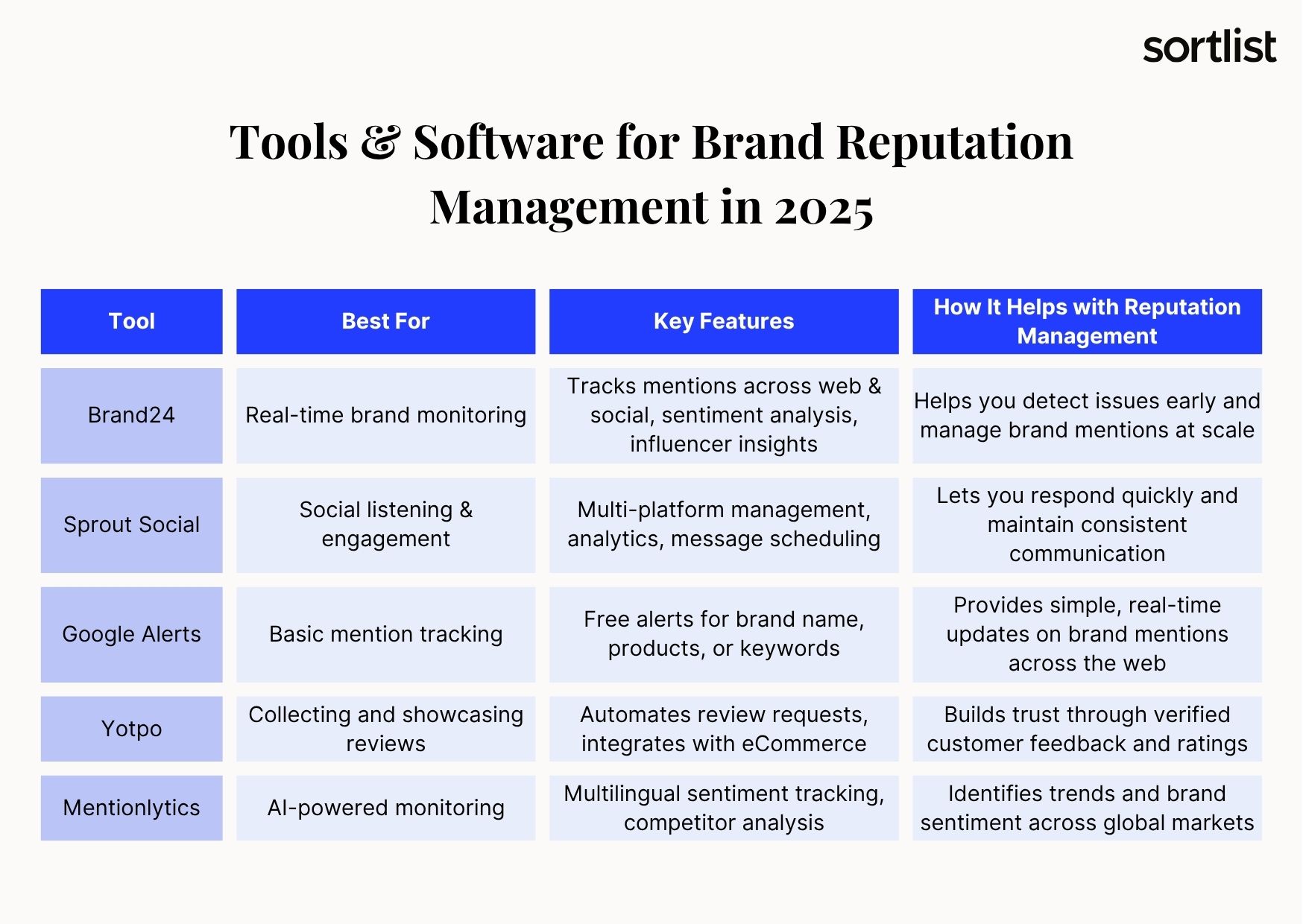
- Brand24: Monitors brand mentions across social media, news sites, and forums. Provides sentiment analysis and influencer insights.
- Sprout Social: Combines social listening, analytics, and customer engagement on one platform.
- Google Alerts: A free and simple way to track brand mentions, competitor activity, and press coverage.
- Yotpo: Helps you collect, display, and manage customer reviews to enhance your online credibility.
- Mentionlytics: Offers AI-powered sentiment tracking and multilingual monitoring across digital channels.
While these tools provide the data you need to stay proactive and protect your online reputation in real time, there are times when you will need expert guidance and implementation. If that’s the case, we highly recommend considering reputation management companies from our directory.
Conclusion
The way people talk about your brand directly affects trust, conversions, and long-term growth. Effective brand reputation management allows you to stay ahead of conversations, transform feedback into opportunities, and establish lasting credibility.
As 2025 continues to change the way customers connect with brands, companies that listen, respond, and act transparently will earn lasting loyalty. Don’t wait for a crisis to define your story; take control of it now. Contact any of the 100 best reputation management companies in our directory to start planning how to control what loyal customers and potential customers say and share about your brand.


