

How to Overcome Banner Blindness: Proven Creative Tactics That Actually Work

Have you ever counted how many ads you encounter while browsing online, scrolling through social media, or using your favorite apps? Today, we are all bombarded with ads. As a result, many users have developed a habit of ignoring anything that looks like a banner, even if it contains valuable information. This phenomenon, called banner blindness, poses a significant challenge for marketers and businesses that rely on display ads to attract attention and drive conversions.
The good news is that with the right creative approach and strategic placement, you can combat banner blindness and make your ads more effective at engaging users. This guide defines banner blindness, explains why it occurs, and provides proven tactics to overcome it.
Let’s dive in!
What Is Banner Blindness?
Banner blindness refers to the tendency of users to ignore banner ads and/or banner-like information on digital interfaces, either consciously or unconsciously. First identified in early web usability studies, this phenomenon has intensified as users have become more digitally literate and skeptical of anything that “looks like an ad.”
What Causes Banner Blindness?
Ad blindness usually occurs as a result of:
- Ad fatigue:Users are oversaturated with ads on web pages, apps, and social media.
- Predictable layouts: Traditional ad locations become easy to overlook.
- Visual clutter: Busy interfaces push users to focus only on essential content.
- Automation of attention: The brain learns to filter out irrelevant or repetitive stimuli.
As a digital marketer, you must understand banner blindness to shape better creative strategies that cut through the noise and help you achieve your goals.
Why Banner Blindness Hurts Your Marketing Performance
That said, you should know that banner blindness isn’t just an inconvenience; it directly affects your marketing results. When users ignore your ads subconsciously, your campaigns lose visibility and engagement, and ultimately, ad revenue. Lower attention results in lower click-through rates, causing your cost per click and cost per acquisition to increase. Even if your ad impressions remain high, you’re not capturing user interest. This means that a large portion of your ad spend is wasted.
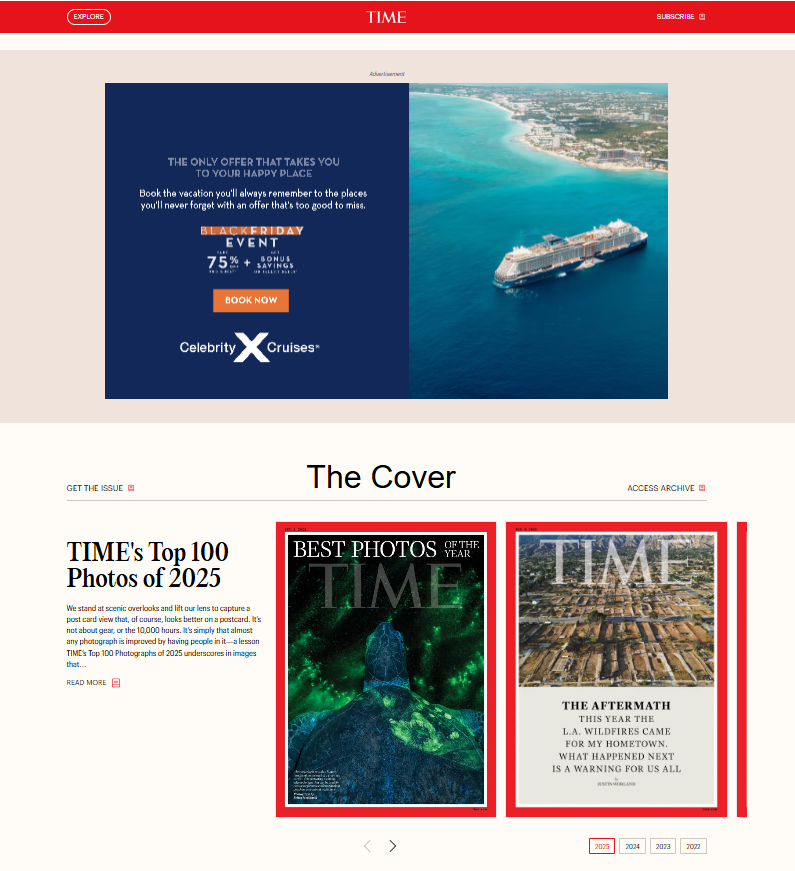
Beyond performance metrics, banner blindness also weakens brand recall. If users overlook your ads entirely, they miss opportunities to connect with your brand and develop familiarity with it. This lack of recognition makes it harder to build trust, nurture leads, and drive conversions over time. In other words, when users don’t see your ads, your marketing foundation suffers.
Proven Creative Tactics For Overcoming Banner Blindness
Now that you understand why consumers experience banner blindness, the next step is to figure out how to overcome it. The key is to create banner ad experiences that feel natural and relevant rather than intrusive. Next, we will share some proven creative tactics to help your online ads get noticed without resorting to aggressive or disruptive techniques.
Make Your Banner Advertisements Look Native to the Content
Unlike traditional banner ads, native-style ads blend seamlessly into their surroundings, making them more likely to be noticed. Rather than standing out as “ad-shaped objects,” they mimic the look and tone of the platform on which they appear, be it a web page, blog article, or social feed. When executed properly, native advertising provides value without feeling forced, resulting in higher user engagement and trust.
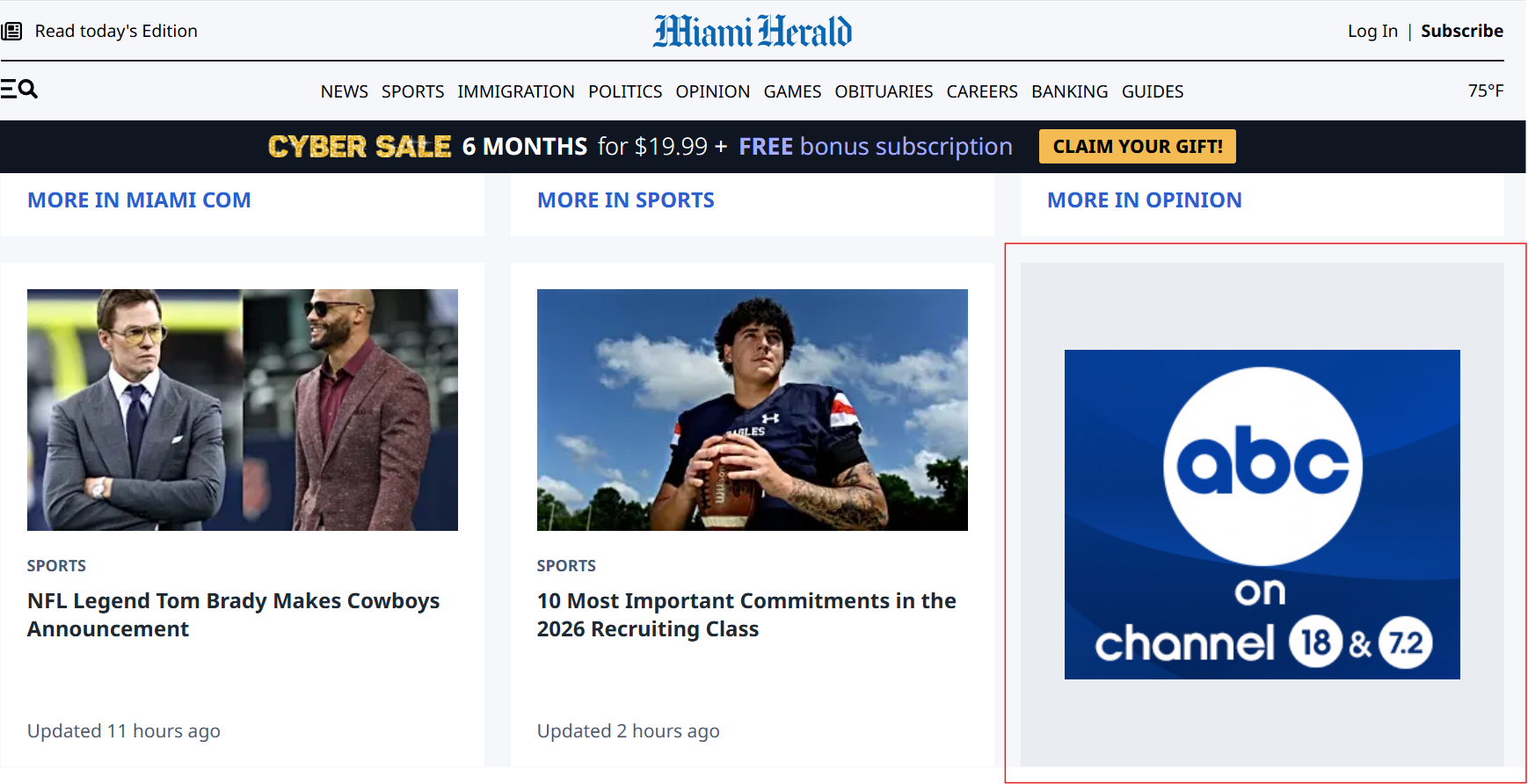
The best tip we can give you is to match the typography, color palettes, and layout patterns used in the platform’s regular content to avoid banner blindness.
Personalize the Ad Content for Relevance
Today’s users ignore ads that feel generic or disconnected from their needs. Personalized messaging based on their browsing behavior, interests, or real-time context creates an immediate sense of relevance. This makes users more likely to notice and engage with your banner. In other words, personalized advertising shifts the ad from “noise” to “potentially useful information.”
Our advice is to use dynamic headlines or product recommendations that align with the user’s current intent or past behavior.
Break Away from Traditional Banner Ads Design
Users have learned to subconsciously ignore banner advertisements. However, presenting them with non-traditional layouts or visual approaches, such as bold typography, unexpected shapes, or minimalist designs, disrupts their scanning patterns. Breaking visual predictability makes your ad more compelling and harder to ignore.
At Sortlist, we encourage you to experiment with asymmetry or unique visual elements that contrast with the typical structure of the page without appearing distracting.
Incorporate Purposeful Motion to Reduce Banner Blindness
Although motion naturally draws the eye, it must be used intentionally. Subtle animations or micro-movements can emphasize important aspects of your message without overwhelming the viewer. Adding smooth transitions or gentle looping effects to your banner makes it feel dynamic and modern while maintaining a professional brand image.
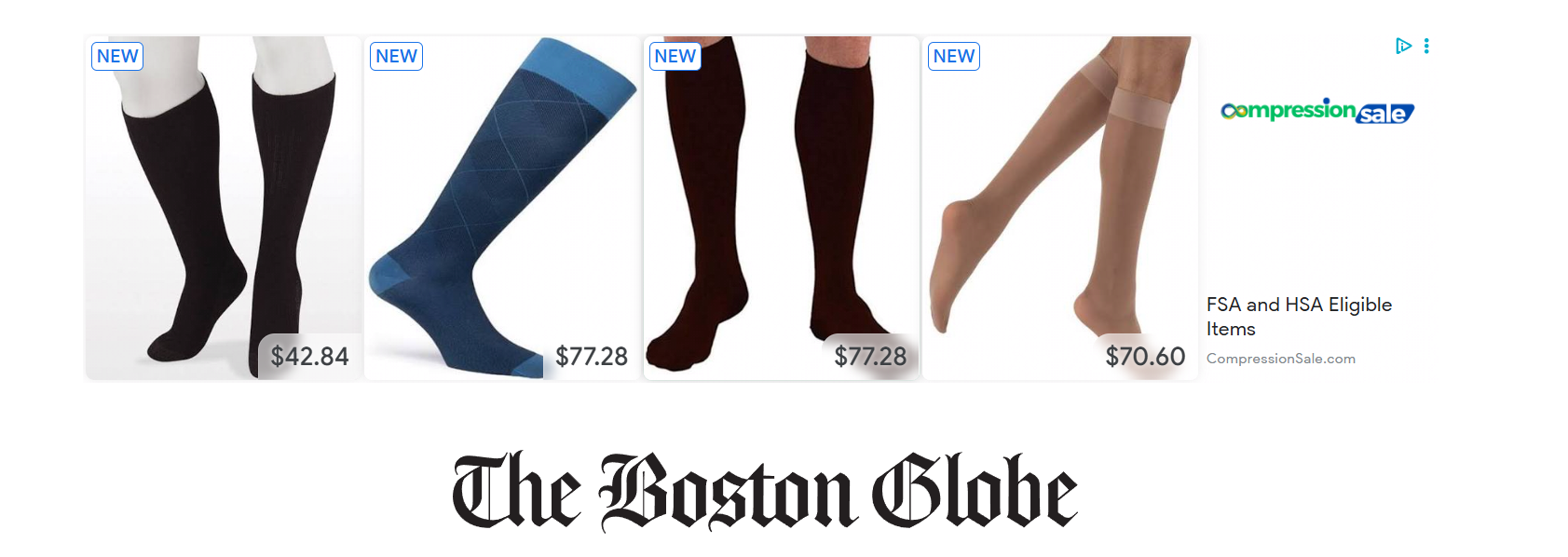
We highly recommend using animation to emphasize one focal point, such as the headline or call to action, rather than animating multiple elements at once.
Add Interactive Elements to Boost Website Users’ Engagement
Interactive ads encourage users to engage rather than passively scroll. Features like sliders, quizzes, and hover-reveal effects spark curiosity and engagement. No matter how small the action, when users interact with an ad, they become more invested in the content and more likely to click through.
However, when incorporating interactive elements, keep them simple and intuitive to ensure they enhance the message rather than distract from it.
Optimize Placement Through Continuous Testing
Even the best-designed banner can fail if it is placed in the wrong spot. Strategic placement, supported by A/B testing, helps you determine where users tend to naturally look and engage. Placements integrated within content, mid-article, or sticky sections often outperform traditional header banners. Testing ensures that you’re measuring attention, not guessing where it lives.
At Sortlist, we encourage you to run A/B tests that change one variable at a time, such as ad placement or size, to identify what truly moves the needle.
Design Specifically for Mobile Users
Since so much browsing occurs on mobile devices, your online ad banners must be optimized for smaller screens. Mobile-first creative designs are simpler, clearer, and more compact, helping users quickly absorb the message. Clean design, readable text, and fast load times are essential for capturing the attention of your target audience before they scroll past.
One final tip: Use vertical formats and large, tap-friendly CTAs to make your banner both noticeable and usable on mobile devices.
Additional Strategies to Improve Banner Ad Performance
While creative tactics are essential for standing out, optimizing overall ad performance goes beyond design. There are several strategic steps you can take to enhance your results and reduce the impact of banner blindness.
- Use frequency capping to reduce ad fatigue. Seeing the same ad repeatedly can lead to frustration and disinterest. Frequency capping allows you to limit how often web users see your ads, keeping your campaigns fresh and preventing burnout.
- Leverage behavioral retargeting thoughtfully. Retargeting can improve relevance, but only when used in moderation. Overexposure causes internet users to ignore your ads entirely. Instead, create segmented, personalized retargeting paths that feel natural and helpful.
- Diversify your ad formats. Experiment with video ads, carousel formats, sponsored content, and interactive placements. Relying solely on static banners can limit your visibility and performance.
- Maintain strong brand consistency. Even when users don’t click, consistent colors, fonts, and messaging strengthen long-term brand recognition. This makes future interactions more effective.
- Test creative variations using AI tools. AI-powered platforms can quickly generate multiple ad variations, providing more opportunities to determine what resonates. This helps overcome creative fatigue and ensures your message stays fresh.
Are you ready to take your banner ads to the next level? Don’t hesitate to reach out to display advertising agencies in our directory. Their teams have the knowledge and tools needed to optimize your ad campaigns and minimize banner blindness.
How to Measure and Reduce Ad Fatigue Over Time
Creative improvements alone aren’t enough to truly overcome banner blindness. You also need to understand how your ads perform in real-world environments. Measuring how online users interact with your banners helps you identify what’s working, what’s being ignored, and where you can improve visibility and ad engagement. In this section, you will learn about the key metrics, tools, and testing methods that will allow you to spot banner blindness early on and continually optimize your campaigns over time.
Analyze Heatmaps and Scroll Depth
Heatmaps reveal where users focus their attention on a webpage by highlighting zones with high and low engagement. If your banners consistently fall outside of these hot spots, it’s a clear sign that you need to adjust their placement. Scroll-depth tracking complements this analysis by showing how far users scroll down a page and whether they reach your banner.

Here are some great tools to use:
Monitor Viewability Scores
Viewability is measured by how long your banner appears on the user’s screen. A banner with high impressions but low viewability likely goes unnoticed, which is one of the clearest indicators of banner blindness.
To monitor visibility, you need to track certain metrics, including viewability rate, time-in-view, and average active view percentage. To do so, you can use tools such as:
Track Click-Through Rates and Interaction Rates
Click through rate (CTR) remains one of the strongest indicators of attention. If your CTR steadily declines, it may mean that users are tuning out your advertisement. For interactive banners, monitor engagement signals such as hover interactions, expansion rates, and slider usage to identify where the user journey drops off.
In addition to CTR, we highly recommend tracking interaction rate, engagement time, and post-click behavior. You can use Google Analytics 4 (GA4) to do so.
Evaluate Relevance, Frequency, and Audience Fatigue
Sometimes users notice your ads but ignore them because they’ve seen them too many times, or because the content doesn’t meet their needs. Measuring frequency and relevance scores helps you determine if your messaging is useful or if you’re causing ad fatigue.
Here are some key metrics to help you better understand relevance: of your ads include:
- Frequency rate
- Relevance/quality score
- Conversion rate after exposure
You can use the following tools to track them:
- Meta Ads Manager (Relevance Diagnostics)
- Google Ads Quality Score
- Brand Lift Studies
Run Continuous A/B and Multivariate Testing
Testing is key to reducing banner blindness. With A/B testing, you can compare different elements, such as copy, color, size, animation, and placement, to see what attracts attention. Multivariate testing lets you evaluate multiple changes simultaneously for deeper insights.
What should you test?
- Headline vs. CTA
- Static vs. animated formats
- Placement above vs. below the fold
- Color combinations and contrast
- Interactive vs. non-interactive elements
Tools to use:
- Google Optimize alternatives (e.g., VWO or Optimizely)
- Adobe Target
- Ad platforms’ native split-testing features
Assess Landing Page Alignment
Even if users click on your banner ad, a poor landing page experience can cause them to avoid your brand over time. If the post-click experience is not aligned with the promise of the banner, it reduces trust and lowers engagement.
To determine whether users find your landing page useful and trustworthy, you should Pay close attention to KPIs such as
- Bounce rate
- Time on page
- Conversion rate
- Path analysis
The following tools can help you: track these metrics are:
- GA4
- Hotjar session recordings
You can continuously reduce banner blindness and improve the overall performance of your ad campaigns by combining creative improvements with reliable measurement tools, behavior analytics, and ongoing testing.
Conclusion
Although banner blindness is a common challenge, it’s far from inevitable. Understanding why users overlook banner ads and applying creative, strategic, and data-driven solutions can make your campaigns more visible, engaging, and effective. Focus on relevance, thoughtful placement, and continuous optimization rather than relying on generic, outdated banner formats. When your ads feel tailored, purposeful, and integrated into the user experience, they’re far more likely to capture attention and produce meaningful results.
Are you ready to elevate your banner performance? Work with one of the top 100 display advertising agencies. They understand how to overcome banner blindness at scale.


